What Are the Challenges and Solutions in Undergrounding Electrical Lines?
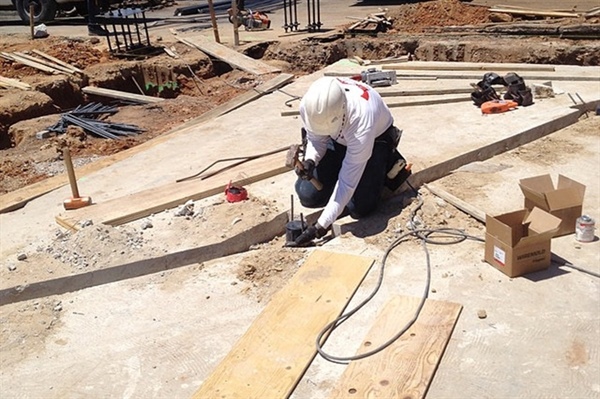
Undergrounding electrical lines involves burying power cables beneath the surface to protect them from storms, falling trees, and other environmental risks. Research by SoCal Electrical & Lighting shows that underground systems can cut weather-related outages by nearly half, while also reducing the chance of accidental contact with live wires.
As communities seek greater reliability and safety, undergrounding has grown into a preferred option for both residential and commercial properties. This article explores five key areas: why a property owner might consider undergrounding electrical utilities, the technical challenges associated with underground installations, how undergrounding enhances aesthetic appeal and property value, maintenance considerations for underground electrical systems, and how costs compare between overhead and underground lines.
Each section below offers detailed insights and data to help you make informed decisions about underground power solutions!
Why Property Owners Consider Undergrounding Electrical Utilities: Benefits and Reliability
Burying power lines below grade shields cables from wind, ice, tree limbs, and vehicular damage. Research shows weather-related outages drop by 40–60% with underground systems, cutting unscheduled interruptions and boosting overall reliability.
Encased conduits and insulated conductors also reduce the risk of accidental contact with live wires during storms or landscaping work. This enhances public safety and simplifies compliance with voltage-clearance regulations. Property owners can also quantify these resilience gains through undergrounding, making it an appealing choice for high-value homes and critical facilities.
Technical Challenges of Underground Electrical Installations
Soil composition and terrain variability complicate trench design. Rocky substrates may need blasting, while high water tables require specialized conduit and backfill to prevent moisture ingress and corrosion.
Installing cable terminations and splice enclosures underground demands precision engineering and certified materials. Each joint is a potential failure point, so advanced sealing techniques and rigorous dielectric testing are essential.
Permitting and utility‐mapping add complexity: planners must secure right-of-way approvals, coordinate with telecom and gas providers, and adhere to local codes on trench depth, warning tapes, and emergency access.
Enhancing Aesthetic Appeal and Property Value with Underground Electrical Lines
Removing overhead wires restores unobstructed sightlines and integrates seamlessly with landscape architecture. Underground lines become invisible, allowing gardens, hardscapes, and architectural features to take center stage.
Market studies indicate homes with buried utilities can command 3–5% higher sale prices versus similar properties with visible poles. Improved curb appeal and a clutter-free streetscape leave lasting positive impressions on prospective buyers. Developers often specify undergrounding in historic districts and upscale communities to preserve neighborhood character, reduce visual pollution, and maintain a cohesive aesthetic.
Maintenance Considerations for Underground Electrical Systems
Locating faults in buried cables relies on time-domain reflectometry and cable locators. By analyzing reflected pulse signals, technicians can pinpoint breaks or insulation failures without extensive digging.
Repair work requires excavating access pits to expose splice enclosures or damaged segments. Using modular splice kits and pre-sealed termination assemblies streamlines restorations and upholds long-term system integrity.
Preventative maintenance—such as periodic dielectric testing, vault inspections, and conduit seal checks—helps identify moisture intrusion, soil shifts, or rodent damage before they lead to outages.
Cost Comparison: Overhead vs Underground Electrical Lines
Initial installation costs for underground lines range from $500 to $2,000 per linear foot, covering trenching, conduit, backfill, and joint materials. Overhead installation typically costs $150 to $350 per foot, driven by poles and conductors.
Over the system lifecycle, reduced outage rates and lower routine maintenance narrow the cost gap. Underground networks incur fewer storm-damage repairs and avoid ongoing tree-trimming and pole inspections.
Partner with SoCal Electrical & Lighting for Undergrounding Expertise
Located at 73700 Dinah Shore Dr Suite 407, Palm Desert, CA 92211, SoCal Electrical & Lighting brings over 20 years of experience in underground electrical systems. Our team ensures full compliance with regulations and delivers durable, code-compliant installations.
For guidance on challenges, technical requirements, aesthetics, maintenance, or cost planning, call 760-699-2686 or contact us online to schedule a consultation!