Whole-Home Surge Protection vs. Power Strips: What Homeowners Need to Know
Power surges are no longer rare events limited to lightning strikes or utility failures. Modern homes rely on sensitive electronics, smart appliances, HVAC systems, and networked devices that are far more vulnerable to electrical disturbances than older equipment. As homeowners add solar panels, EV chargers, and whole-home automation, the risk and potential cost of surge-related damage continues to increase.
Understanding the difference between plug-in power strips and whole-home surge protection helps homeowners make informed decisions about protecting their electrical systems. This article explains why common power strips fall short, what whole-home surge protectors actually shield, how costs compare over time, how these systems integrate with an electrical panel, and how to choose the right solution for a specific home. These topics reflect the same electrical protection principles used by SoCal Electrical & Lighting in residential installations and safety planning. Learn more about modern surge protection as part of a complete home electrical strategy.
Why Power Strips Aren’t Enough to Protect Modern Homes
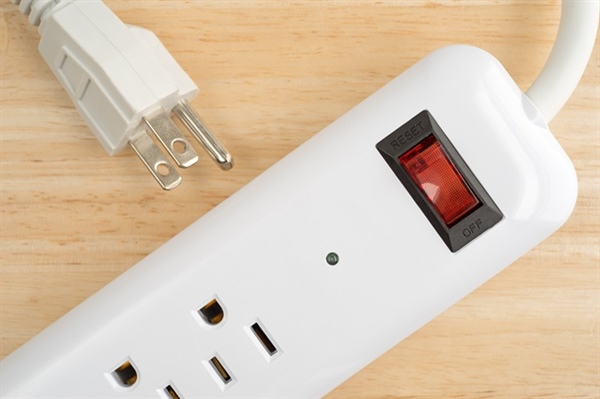
Most consumer power strips are designed to handle small, short-duration voltage spikes caused by devices cycling on and off inside the home. These strips rely on metal oxide varistors (MOVs) that degrade with each surge event. Once their capacity is exceeded, they stop protecting without any visible warning. This makes them unreliable as a primary defense against larger surges.
External surge sources are the greater threat to modern homes. Utility switching operations, transformer failures, downed power lines, and nearby lightning strikes can send thousands of volts through the electrical system. Power strips only protect devices plugged directly into them and cannot stop surges entering through hardwired systems such as HVAC units, water heaters, garage door openers, or built-in appliances.
Another limitation is grounding. Power strips depend on the quality of the outlet’s grounding, which may be inadequate or outdated in older homes. Whole-home surge protection addresses these risks at the electrical service entrance, reducing surge energy before it reaches branch circuits and individual devices.
What Whole-Home Surge Protectors Actually Guard Against
Whole-home surge protectors are designed to intercept high-voltage surges at the main electrical panel, where power enters the home. They protect all connected circuits simultaneously, including outlets, lighting circuits, and permanently wired equipment. This broad coverage is not possible with plug-in devices.
These systems defend against both external and internal surge sources. External surges include lightning-induced voltage spikes and utility grid fluctuations. Internal surges are generated when large appliances, motors, or compressors cycle on and off, which is common in homes with air conditioning systems, pool equipment, and electric vehicle chargers.
By diverting excess voltage safely to ground, whole-home protectors reduce stress on insulation, circuit breakers, and sensitive electronic components. This protection extends the service life of appliances and reduces the likelihood of hidden electrical damage that may not cause immediate failure but leads to premature equipment breakdown.
Cost Differences: Short-Term Savings vs. Long-Term Protection
Power strips appear inexpensive upfront, but their protection is limited and temporary. MOV-based strips degrade over time and must be replaced after absorbing several surges, often without the homeowner realizing protection has been lost. Replacing strips across multiple rooms can add up over time.
Whole-home surge protectors involve a higher initial installation cost, but they provide system-wide protection for many years. These devices are rated to handle repeated high-energy surges and are installed directly at the service panel. Their cost is often far less than replacing a single major appliance or HVAC control board damaged by a surge.
Insurance claims related to surge damage may also carry deductibles and coverage limits. Long-term protection reduces financial risk, avoids service disruptions, and preserves the value of connected electronics throughout the home.
How Whole-Home Surge Protection Works With Your Electrical Panel
Whole-home surge protectors are installed at or near the main electrical panel, either as a dedicated breaker-mounted device or as an external unit connected directly to the service conductors. Their location allows them to intercept surges before voltage spikes travel through branch circuits.
When a surge occurs, the device clamps excessive voltage and redirects it to the grounding system. This action happens in microseconds and prevents damaging voltage levels from reaching downstream equipment. Proper grounding and bonding are critical to this process and are evaluated during installation.
Integration with the panel allows continuous protection without relying on user behavior, such as remembering to plug devices into strips. The system operates automatically and protects lighting, receptacles, and permanently installed equipment at all times.
Choosing the Right Surge Protection System for Your Home
Selecting the appropriate surge protection system depends on several factors, including the size of the electrical service, the number of connected appliances, and the presence of high-demand equipment such as solar inverters or EV chargers. Surge current ratings and device response times should align with the home’s electrical load.
Homes in areas with frequent utility fluctuations or lightning activity benefit from higher-rated devices. Compatibility with the existing panel and grounding system is also essential to performance and safety. A properly selected device protects both standard electronics and hardwired systems.
Working with a licensed electrical contractor helps homeowners choose a system that meets code requirements and installation standards. More information about available solutions can be found through SoCal Electrical & Lighting, which outlines surge protection options as part of comprehensive electrical services.
Professional Whole-Home Surge Protection Solutions
SoCal Electrical & Lighting provides whole-home surge protection solutions designed to safeguard modern residential electrical systems. With experience installing panel-based protection, grounding upgrades, and system evaluations, their team helps homeowners reduce the risk of costly electrical damage.
Located in Southern California, SoCal Electrical & Lighting serves homeowners from its address at 73700 Dinah Shore Drive, Suite 407, Palm Desert, CA 92211 and can be reached by phone at 760-699-2686. Their electricians assess electrical panels, service capacity, and existing grounding to recommend protection that aligns with the home’s infrastructure.
To discuss surge protection options, panel upgrades, or electrical safety improvements, homeowners can contact us to schedule a consultation and learn how professional surge protection fits into a long-term electrical strategy.