How Can Outdoor Lighting Increase Home Safety and Curb Appeal?
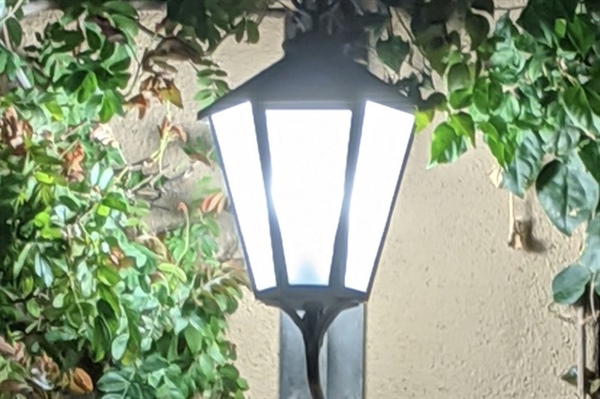
Outdoor lighting plays a measurable role in both residential safety and visual presentation. Well-planned exterior illumination improves visibility around walkways, driveways, and entrances while reducing dark areas that can hide hazards or unwanted activity. In Southern California neighborhoods, outdoor lighting is also a defining element of how a home appears after sunset, influencing first impressions and perceived property upkeep.
Modern outdoor lighting systems combine safety-driven design with architectural enhancement. Strategic placement, fixture selection, and electrical compliance all contribute to lighting systems that perform reliably year-round. This article explores how outdoor lighting affects safety and curb appeal by examining fixture types, motion-sensor technology, weather resistance, energy-efficient low-voltage systems, and applicable electrical codes. Drawing from industry standards and the practical experience of SoCal Electrical & Lighting, each section provides clear, evidence-based guidance grounded in real-world residential applications. Learn more about outdoor lighting considerations as you read.
Best Exterior Lighting Options for Walkways, Driveways, and Entryways
Walkways, driveways, and entryways require lighting that prioritizes visibility, depth perception, and consistent light distribution. Path lights installed at regular intervals along walkways reduce trip hazards by clearly defining walking surfaces and elevation changes. Fixtures with downward-facing shields help prevent glare while maintaining sufficient illumination for safe foot traffic.
Driveway lighting benefits from a combination of low-mounted bollard lights and wall-mounted fixtures placed along garages or perimeter walls. This layered approach improves vehicle navigation while highlighting property boundaries. Entryways perform best with wall sconces or overhead fixtures placed at eye level to illuminate door hardware, locks, and steps without casting harsh shadows.
Proper spacing and fixture output matter as much as placement. Industry lighting studies show that uniform light distribution improves safety outcomes more than high-lumen focal points alone. Residential electricians regularly apply these standards when designing permanent outdoor lighting systems that balance safety and aesthetics.
How Motion-Sensor Lighting Strengthens Residential Security
Motion-sensor lighting increases home security by responding instantly to movement, drawing attention to activity around the property. Sudden illumination has been shown in multiple crime prevention studies to discourage unauthorized access by removing concealment and signaling occupancy. These systems are commonly installed near side yards, rear entrances, and driveways.
Modern motion sensors use passive infrared technology to detect changes in heat signatures rather than random motion, reducing false activations from wind or debris. Adjustable sensitivity and range settings allow lighting coverage to match specific property layouts. When paired with dusk-to-dawn controls, motion lighting operates only when visibility is limited.
Electrical contractors integrate motion sensors into exterior lighting circuits in ways that comply with load limits and weather exposure requirements. Proper installation ensures reliable performance over time and consistent security coverage during nighttime hours.
Weather-Resistant Outdoor Lighting Fixtures for Southern California
Southern California’s climate presents unique challenges for outdoor lighting, including heat exposure, coastal moisture, airborne dust, and seasonal rain. Fixtures rated for wet or damp locations are required for exterior installations, with sealed housings that prevent moisture intrusion into wiring and internal components.
Corrosion-resistant materials such as powder-coated aluminum, brass, and stainless steel are widely used due to their durability in high-UV and coastal environments. Tempered glass lenses resist cracking from temperature fluctuations, while silicone gaskets help maintain watertight seals over time.
UL-listed and IP-rated fixtures provide standardized assurance of environmental protection. Residential electricians rely on these ratings to select lighting products that meet performance expectations while complying with electrical safety standards.
Reducing Outdoor Energy Use with Low-Voltage Lighting Systems
Low-voltage outdoor lighting systems operate at 12 volts rather than standard line voltage, significantly reducing energy consumption while maintaining effective illumination. These systems commonly use LED lamps, which convert a higher percentage of electrical energy into visible light rather than heat.
Energy studies show that LED low-voltage systems can reduce outdoor lighting energy use by up to 70 percent compared to older incandescent setups. Transformers regulate voltage delivery and allow multiple fixtures to operate safely on a single circuit.
Low-voltage systems also reduce electrical risk in outdoor environments, making them suitable for landscape applications near soil, irrigation, and hardscaping. Electricians design these systems to account for voltage drop, wire length, and fixture load to maintain consistent brightness across the property.
Electrical Codes Governing Outdoor Lighting Installations
Outdoor lighting installations are regulated by the National Electrical Code (NEC) along with state and local amendments. These codes specify requirements for burial depth, conduit use, grounding, and GFCI protection to reduce shock and fire risk in exterior environments.
Fixtures installed in wet locations must be rated accordingly, and exterior outlets associated with lighting circuits require weatherproof covers. Wiring methods must account for UV exposure and physical protection where cables transition from underground to above-ground locations.
Licensed electricians stay current with code updates and permitting requirements to ensure compliant installations. Property owners seeking accurate guidance on exterior electrical standards often reference resources provided by SoCal Electrical & Lighting for code-aligned system planning.
Professional Outdoor Lighting Services in Palm Desert
SoCal Electrical & Lighting provides residential outdoor lighting services designed around safety, efficiency, and long-term reliability. From walkway illumination and motion-sensor security lighting to low-voltage landscape systems and code-compliant installations, the company applies over 20 years of electrical experience to every project.
Based at 73700 Dinah Shore Dr Suite 407, Palm Desert, CA, SoCal Electrical & Lighting serves homeowners throughout the Coachella Valley with licensed electrical expertise. Their team evaluates fixture selection, wiring methods, and environmental conditions to deliver systems that perform consistently in Southern California climates.
To discuss outdoor lighting design, upgrades, or code-related questions, call SoCal Electrical & Lighting at 760-699-2686 or reach out through their contact us page to schedule a consultation.