What Types of Indoor Lighting Upgrades Can Improve Efficiency and Comfort?
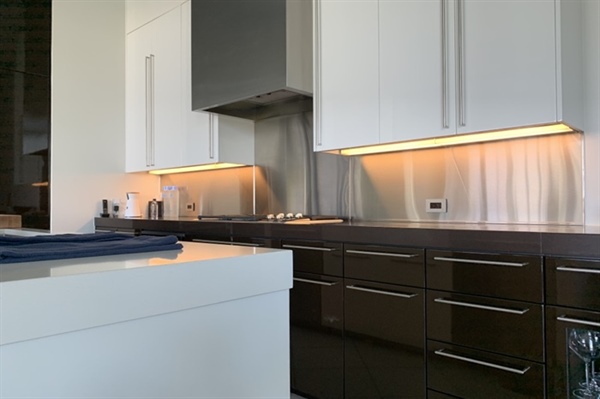
Indoor lighting plays a direct role in how a space feels, functions, and performs day to day. The type of fixtures used, how light is distributed, and how systems are controlled all affect energy use and occupant comfort. As homes continue to adopt more efficient electrical systems, lighting upgrades have become one of the most practical improvements for reducing power consumption while improving visual clarity and livability.
Modern lighting solutions focus on efficiency, longevity, and adaptability. Advancements in LED technology, smart lighting controls, and electrical safety standards have changed how residential lighting systems are designed and installed. This article explores how these upgrades improve efficiency and comfort, including cost comparisons, automation benefits, color temperature selection, zoning strategies, and safety considerations. These topics align with the residential lighting expertise and electrical services offered by SoCal Electrical & Lighting and reflect best practices used across professional electrical services.
LED Lighting Compared to Traditional Bulbs: Cost and Longevity Differences
LED lighting has replaced incandescent and compact fluorescent bulbs as the most efficient residential lighting option. LEDs convert a higher percentage of electrical energy into visible light, while traditional bulbs lose much of their energy as heat. An LED bulb typically uses 75–85% less electricity than an incandescent bulb while producing the same light output, measured in lumens.
Longevity is another major distinction. Standard incandescent bulbs last about 1,000 hours, while CFLs average 8,000 hours. Residential-grade LED bulbs are rated between 25,000 and 50,000 hours. This lifespan reduces replacement frequency, labor costs, and material waste. Over time, the higher upfront cost of LEDs is offset by reduced energy consumption and fewer replacements.
From an electrical system perspective, LEDs also place less load on circuits, which can improve system reliability in homes with older wiring. When installed as part of updated electrical services, LED conversions align with current energy codes and long-term efficiency goals.
How Smart Lighting Systems Reduce Energy Use
Smart lighting systems use sensors, timers, and networked controls to adjust lighting based on occupancy, daylight availability, and user schedules. Unlike manual switches, smart controls reduce unnecessary energy use by automatically turning lights off when rooms are unoccupied or dimming fixtures when sufficient natural light is present.
Energy savings are achieved through precise control rather than increased light output. Motion sensors prevent lights from remaining on in empty spaces, while programmable schedules align lighting usage with actual household activity. Many systems also allow remote monitoring, which helps identify inefficient usage patterns.
Smart lighting integrates with broader electrical infrastructure, requiring proper circuit configuration and compatible fixtures. When installed alongside modern residential electrical systems, smart lighting improves efficiency without compromising performance or reliability.
Best Lighting Color Temperatures for Kitchens, Bedrooms, and Living Areas
Lighting temperature, measured in kelvin (K), affects both visibility and comfort. Kitchens benefit from cooler temperatures between 3,500K and 4,000K, which provide clear, neutral light suitable for food preparation and detailed tasks. These temperatures improve contrast without creating harsh glare.
Bedrooms require warmer lighting, typically between 2,700K and 3,000K. Warmer light supports relaxation by minimizing blue light exposure, which can interfere with sleep cycles. Living spaces often use a combination of temperatures, balancing task lighting with ambient warmth to accommodate different activities.
Proper temperature selection also reduces eye strain and supports circadian rhythm alignment. Matching color temperature to room function is now a standard design consideration in residential electrical planning.
Using Dimmer Switches and Zoning for Better Lighting Control
Dimmer switches allow users to adjust light output based on need rather than relying on fixed brightness levels. This control reduces energy consumption and extends bulb life by lowering operating intensity. Modern dimmers are designed specifically for LED compatibility, preventing flicker and voltage instability.
Lighting zoning separates a home into independently controlled areas. Instead of illuminating an entire room or floor, zoning allows specific sections to be lit based on use. This approach improves comfort while reducing wasted energy, especially in open-concept layouts.
Zoning also supports layered lighting designs that combine ambient, task, and accent lighting. From an electrical standpoint, proper circuit planning is required to ensure balanced loads and consistent performance across zones.
Electrical Safety Requirements for Lighting Upgrades
Lighting upgrades must comply with current electrical codes to maintain safety and system integrity. This includes proper grounding, correct wire sizing, and compatibility between fixtures, controls, and existing circuits. LED and smart lighting systems often require updated dimmers and drivers to operate safely.
Older homes may have outdated wiring that cannot support modern lighting loads or control systems. Upgrading fixtures without addressing underlying electrical conditions can lead to overheating, voltage drop, or premature equipment failure.
Working with licensed professionals helps confirm that installations meet code requirements and manufacturer specifications. More information on safe lighting upgrades is available through SoCal Electrical & Lighting.
Lighting upgrades are most effective when planned and installed as part of a complete electrical strategy. SoCal Electrical & Lighting provides residential lighting upgrades that focus on efficiency, comfort, and long-term system safety. From LED conversions and smart lighting integration to dimmer installation and zoning design, each project is handled with attention to electrical performance and code compliance.
Based in Palm Desert, SoCal Electrical & Lighting serves homeowners throughout the area with licensed electrical services tailored to modern residential needs. The company is located at 73700 Dinah Shore Dr Suite 407, Palm Desert, CA, and can be reached by phone at 760-699-2686. Their team evaluates existing systems, recommends appropriate upgrades, and installs lighting solutions designed to perform reliably over time.
Homeowners seeking guidance on lighting efficiency, comfort improvements, or electrical safety upgrades can speak directly with the team through their contact us page to discuss project details and scheduling.