Smart Home Electrical Integration and Automation Systems
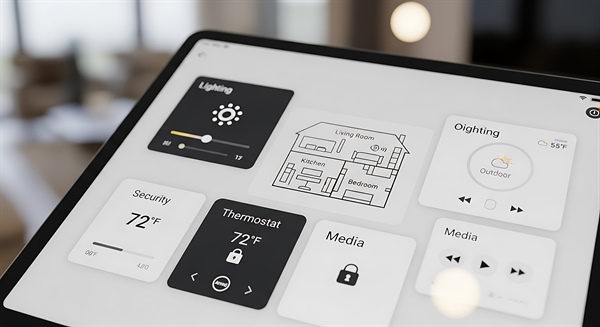
Smart home technology is no longer a futuristic concept—it is now deeply integrated into modern residential electrical systems. As homeowners adopt connected devices such as automated lighting, smart thermostats, and centralized control systems, the underlying electrical infrastructure must evolve to support these technologies. From upgraded panels to advanced wiring configurations, smart home integration depends on a reliable and properly designed electrical foundation that can handle increased connectivity, communication protocols, and power demands. Companies like SoCal Electrical & Lighting operate within this space, where electrical expertise intersects with automation technology to create efficient, responsive living environments.
Understanding how these systems connect to existing electrical services requires a closer look at several key components. Electrical upgrades, wiring compatibility, and device integration all play a role in ensuring consistent performance. In this article, we will explore critical aspects such as system requirements, installation processes, and energy impacts. You will also gain insight into how technologies like home automation integrate with traditional electrical systems, along with common challenges that arise during installation. Each section addresses a specific technical question, providing a structured view of how modern automation systems function within residential electrical frameworks.
Electrical Upgrades Required for Smart Home System Integration
Smart home systems often require foundational electrical upgrades to ensure compatibility with modern automation technologies. One of the most critical components is the electrical panel. Older panels may lack the capacity to support additional circuits required for connected devices such as smart lighting systems, thermostats, and control hubs. Upgrading to a higher-capacity panel allows for proper load distribution and reduces the risk of circuit overloads. This is particularly relevant when integrating multiple systems that operate simultaneously across a home network.
Wiring infrastructure is another key consideration. Many smart home devices rely on stable power delivery combined with low-voltage communication wiring. Structured wiring systems may be installed to support data transmission between devices, especially in larger homes where wireless signals alone may not provide consistent coverage. In some cases, electricians incorporate dedicated circuits for high-demand devices such as electric vehicle chargers or integrated control systems to maintain performance reliability.
Surge protection is also an essential upgrade when installing smart home systems. Because these systems depend heavily on sensitive electronic components, voltage spikes can damage connected devices. Whole-house surge protectors provide a layer of protection across the electrical system, safeguarding automation equipment. Proper system design often aligns with broader home automation strategies that prioritize both performance and equipment longevity.
How Automated Lighting Systems Connect to Existing Electrical Wiring
Automated lighting systems integrate with existing wiring through a combination of smart switches, dimmers, and centralized control modules. In most cases, these systems replace traditional wall switches with smart-enabled devices that communicate with a control hub or mobile application. The underlying electrical wiring remains largely intact, but the switching mechanism is upgraded to allow remote operation and programmable control.
Modern automated lighting systems often use protocols such as Zigbee, Z-Wave, or Wi-Fi to communicate between devices. These protocols enable seamless interaction between switches, fixtures, and control systems without requiring extensive rewiring. However, certain installations may require the presence of a neutral wire within switch boxes, which is not always available in older homes. In such cases, electrical modifications may be necessary to support full functionality.
Integration also extends to dimming systems and scene-based controls, which allow users to adjust lighting levels across multiple fixtures simultaneously. These systems rely on precise electrical connections and compatibility between fixtures and control devices. Many of these installations fall under broader electrical services that ensure proper wiring, load balancing, and long-term system reliability.
The Role of Electricians in Installing Smart Thermostats and Control Systems
Electricians play a central role in ensuring that smart thermostats and control systems are installed safely and function correctly within a home’s electrical framework. Smart thermostats require consistent low-voltage power, typically delivered through HVAC control wiring. In many cases, a common wire (C-wire) is necessary to provide continuous power to the device. If this wire is not present, electricians may need to modify the existing wiring configuration to support the thermostat.
Beyond wiring, electricians are responsible for integrating thermostats with broader home automation systems. This includes connecting devices to centralized control platforms, ensuring compatibility with other smart components, and verifying that communication protocols function as intended. Proper installation ensures that temperature controls can interact with lighting, occupancy sensors, and scheduling systems to optimize overall home performance.
Electricians also verify compliance with electrical codes and safety standards during installation. This includes ensuring that connections are secure, circuits are properly rated, and devices are installed in accordance with manufacturer specifications. These steps are critical to maintaining system reliability and preventing issues such as voltage drops or communication failures.
Impact of Home Automation Systems on Energy Consumption
Home automation systems influence energy consumption by introducing dynamic control over electrical loads. Automated lighting systems, for example, allow lights to turn off when rooms are unoccupied, reducing unnecessary energy use. Smart thermostats adjust heating and cooling based on occupancy patterns and environmental conditions, which can significantly lower overall energy demand.
Energy management systems further enhance efficiency by providing detailed insights into power usage. These systems monitor consumption across various devices and allow users to identify inefficiencies within the home. By analyzing this data, homeowners can adjust usage patterns or upgrade specific components to improve efficiency. Integration with automated controls ensures that these adjustments can be implemented without manual intervention.
In addition to reducing consumption, automation systems can improve load distribution across electrical circuits. This helps prevent peak demand spikes, which can strain electrical infrastructure. Coordinated control of devices such as lighting, HVAC systems, and appliances creates a more balanced and efficient electrical environment.
Common Mistakes During Smart Home System Installation
One of the most common mistakes during smart home installation is failing to assess the capacity of the existing electrical system. Without proper evaluation, homeowners may attempt to add multiple smart devices to circuits that are already near capacity, leading to performance issues or safety concerns. Proper planning requires a detailed understanding of load requirements and circuit distribution.
Another frequent issue is improper device compatibility. Smart home systems rely on communication protocols that must align across all devices. Mixing incompatible systems can result in connectivity problems, reduced functionality, or system failures. Ensuring that all components operate within the same ecosystem is critical for seamless integration.
Installation errors related to wiring are also common. Incorrect connections, missing neutral wires, or improper grounding can prevent devices from functioning correctly. These issues often arise when installations are performed without a full understanding of electrical system requirements. Addressing these challenges requires careful planning, adherence to electrical standards, and precise execution during installation.
Smart Home Integration Services by SoCal Electrical & Lighting
At SoCal Electrical & Lighting, we specialize in integrating advanced smart home systems with reliable electrical infrastructure. Located at 73700 Dinah Shore Dr, Suite 407, Palm Desert, CA 92211, our team brings over 20 years of experience to every project. Whether you’re upgrading your electrical panel, installing automated lighting, or integrating smart thermostats, we focus on precision, safety, and long-term performance.
We understand that smart home technology requires more than just device installation—it demands a fully optimized electrical system. Our services cover wiring upgrades, system design, and seamless integration of automation controls to ensure everything works together efficiently. From troubleshooting to full system installations, we provide solutions tailored to both residential and commercial properties.
If you’re ready to enhance your home with advanced automation and dependable electrical systems, contact SoCal Electrical & Lighting at 760-699-2686. You can also request an estimate to get started with a customized solution designed for your needs.