Benefits of Upgrading Electrical Wiring in Older Homes
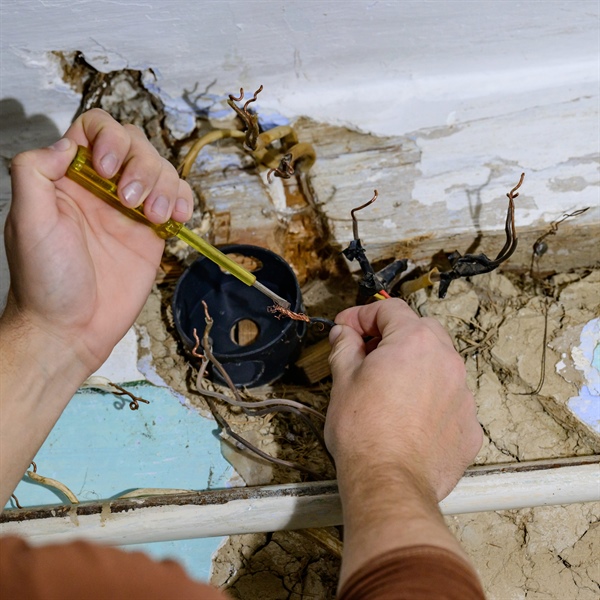
Older homes often carry a unique charm, but behind the walls, aging electrical systems can present serious concerns. As technology advances and power demands increase, outdated wiring may struggle to keep up with modern usage. This can lead to inefficiencies, safety risks, and limitations that affect everything from daily convenience to long-term property value. Understanding the benefits of upgrading electrical wiring is key to maintaining a safe and functional home environment. SoCal Electrical & Lighting has extensive experience working with systems that require modernization, offering insight into how these upgrades impact performance and reliability.
In this article, we will explore several critical aspects of electrical upgrades in older homes. These include the risks associated with outdated wiring systems, how rewiring improves both energy efficiency and safety, and what homeowners can expect during a full rewiring project. We will also examine realistic timelines for rewiring older properties and how modern electrical systems support advanced technologies like smart home integration. Each of these topics plays a role in helping property owners make informed decisions about their electrical infrastructure.
Risks Associated with Outdated Electrical Wiring Systems
Outdated wiring systems in older homes present measurable safety and performance risks. Many properties built before modern electrical codes rely on materials such as aluminum wiring or knob-and-tube systems, which lack the insulation and grounding protections required today. These systems are more prone to overheating, especially when connected to modern appliances that demand higher electrical loads. Over time, insulation breakdown and loose connections increase the likelihood of arcing faults, which are a leading cause of residential electrical fires.
Another concern involves circuit capacity limitations. Older wiring systems were not designed to handle the volume of electronics used in modern households. This mismatch often results in overloaded circuits, frequent breaker trips, and voltage fluctuations. These conditions not only disrupt daily use but also place stress on appliances, shortening their operational lifespan. Inconsistent power delivery can damage sensitive electronics, including computers and smart devices, leading to costly replacements.
Structural risks also increase with aging systems. Wires hidden behind walls may degrade due to heat, moisture, or pest activity, creating hidden hazards that are difficult to detect without professional inspection. Addressing these risks through updated electrical wiring is essential to maintaining a safe and code-compliant residential environment.
How Rewiring Improves Energy Efficiency and Electrical Safety
Rewiring a home directly improves electrical efficiency by reducing resistance within the system. Modern copper wiring provides superior conductivity compared to outdated materials, allowing electricity to flow with minimal energy loss. This efficiency reduces heat generation within circuits, which not only conserves energy but also lowers the risk of overheating and fire hazards. Updated wiring systems also support higher-capacity circuits, allowing appliances to operate without overloading the system.
Electrical safety improves significantly through the integration of updated components such as grounded outlets, circuit breakers, and arc fault circuit interrupters (AFCIs). These devices are designed to detect abnormal electrical behavior and interrupt power before damage occurs. Older homes often lack these safeguards, leaving systems vulnerable to faults that can escalate quickly. By incorporating these modern protections, rewiring creates a controlled and stable electrical environment.
Another efficiency gain comes from compatibility with energy-saving technologies. Modern systems support LED lighting, advanced appliances, and automated controls that optimize energy consumption. These upgrades align with broader energy management strategies and reduce overall electrical demand, making electrical repairs and system modernization an important step toward long-term efficiency.
The Process of a Full Home Electrical Rewiring Project
A full home rewiring project begins with a comprehensive electrical assessment. This evaluation identifies outdated components, capacity limitations, and safety concerns within the existing system. Electricians map the current wiring layout and determine the scope of replacement required to meet modern code standards. This planning phase ensures that the new system supports both current and future electrical demands.
Once the assessment is complete, the installation phase begins. This involves removing or bypassing outdated wiring and installing new circuits, outlets, and panels. In many cases, walls and ceilings must be accessed to route new wiring pathways. Careful coordination is required to minimize structural disruption while ensuring all connections are secure and compliant with regulations. During this phase, additional upgrades such as panel replacements and surge protection systems are often integrated.
After installation, the system undergoes testing and inspection to verify performance and safety. Each circuit is evaluated for proper load distribution, grounding, and functionality. This step confirms that the rewired system meets all regulatory standards and operates reliably under expected usage conditions.
Timeline Expectations for Rewiring Older Homes
The duration of a rewiring project varies based on the size, layout, and condition of the property. Smaller homes with accessible wiring may require only a few days, while larger or more complex structures can take several weeks. Factors such as wall accessibility, the presence of outdated materials, and the need for panel upgrades influence the overall timeline.
Older properties often require additional preparation due to structural constraints and code compliance updates. Homes built several decades ago may lack sufficient conduit space or require modifications to accommodate modern wiring standards. These adjustments can extend the project timeline, but are necessary to achieve a safe and functional system.
Inspection and permitting processes also contribute to the overall timeframe. Electrical work must meet local code requirements, and inspections ensure that all installations are completed correctly. While timelines vary, proper planning and execution are essential to completing the project efficiently without compromising safety or performance.
How Modern Wiring Supports Smart Home Integration
Modern wiring systems are designed to support advanced technologies that rely on consistent and reliable power distribution. Smart home systems require a stable electrical infrastructure to operate connected devices such as automated lighting, thermostats, and security systems. Updated wiring ensures that these systems receive uninterrupted power, reducing the risk of connectivity issues or device malfunctions.
Structured wiring layouts also improve communication between devices. Many smart systems depend on integrated networks that combine electrical and data connections. Modern installations often include dedicated circuits and pathways that support these technologies, enabling seamless integration across multiple devices. This infrastructure allows homeowners to manage lighting, climate, and security through centralized control systems.
As smart home adoption continues to grow, electrical systems must evolve to accommodate increased demand and connectivity requirements. Updated wiring provides the foundation for these technologies, ensuring compatibility and long-term functionality. Homes equipped with modern systems are better positioned to support future advancements in automation and energy management.
Work With SoCal Electrical & Lighting for Reliable Wiring Upgrades
At SoCal Electrical & Lighting, we take pride in helping homeowners upgrade their electrical systems with precision and care. Whether you are dealing with outdated wiring, planning a full rewiring project, or preparing your home for modern technology, our experienced team is ready to assist. We understand the risks associated with aging electrical systems and work to provide solutions that improve safety, efficiency, and long-term performance.
Located at 73700 Dinah Shore Dr, Suite 407, Palm Desert, CA 92211, our team brings decades of hands-on experience to every project. From addressing safety concerns to supporting smart home integration, we handle each step with professionalism and attention to detail. If you are noticing signs of electrical issues or considering an upgrade, call us directly at 760-699-2686 to speak with a knowledgeable team member.
We offer thorough evaluations, detailed planning, and expert installation services to ensure your electrical system meets modern standards. If you're ready to move forward, you can request an estimate today and take the next step toward a safer and more efficient home.