Energy-Efficient Electrical Systems for New Builds
Energy-efficient electrical systems shape how a new commercial building performs from the first day it opens. Lighting layouts, wiring capacity, control systems, panel planning, metering, and load management all affect operating costs, code compliance, tenant comfort, and the building’s ability to support future technology. In a commercial space, the goal is not only to reduce energy use. The goal is to design an electrical system that delivers dependable power, supports daily operations, and limits waste without making the building harder to use.
For owners planning new construction renovations, these choices start early. Fixture selection, lighting controls, energy management systems, Title 24 documentation, and rebate planning all work best when they are addressed before walls close, and equipment is ordered. SoCal Electrical & Lighting understands how important it is for commercial buildings to run safely, efficiently, and reliably, especially in demanding Coachella Valley conditions.
Energy-Efficient Lighting & Wiring Options for New Commercial Construction
New commercial construction gives building owners the best opportunity to design energy efficiency into the electrical system instead of correcting waste later. LED lighting remains one of the most practical starting points because it reduces wattage, lowers heat output, and supports precise control. In offices, retail spaces, medical suites, restaurants, and tenant build-outs, LED fixtures can be selected by lumen output, color temperature, distribution pattern, dimming range, and rated life, which allows the lighting plan to match the use of each space.
Lighting controls are just as important as the fixtures. Occupancy sensors reduce wasted energy in restrooms, break rooms, storage areas, private offices, and conference rooms. Vacancy sensors require manual-on operation and automatic shut-off, which can reduce unnecessary runtime even further. Daylight-responsive controls adjust electric lighting near windows, storefront glass, clerestories, and skylights. Time scheduling can shut off or reduce lighting after business hours, while zoning keeps one area from forcing an entire floor or suite to stay fully lit.
Efficient wiring design supports these systems by separating lighting zones, emergency circuits, receptacle loads, equipment feeds, and control wiring in a way that keeps the building flexible. Dedicated circuits for major loads, properly sized conductors, organized panel schedules, and clean pathways make maintenance easier and help avoid overloaded circuits as the building grows. For new construction renovations, early coordination between electrical plans, lighting schedules, ceiling layouts, HVAC equipment, and tenant requirements helps reduce conflicts before installation begins.
Low-voltage infrastructure also belongs in the planning stage. Lighting control networks, sensors, relays, dimming controls, data cabling, access control, security systems, audiovisual systems, and building automation devices often need pathways before drywall, ceilings, and finished surfaces are installed. When these pathways are planned early, the building can support modern energy management without costly rework.
Energy Management Systems in New Commercial Builds
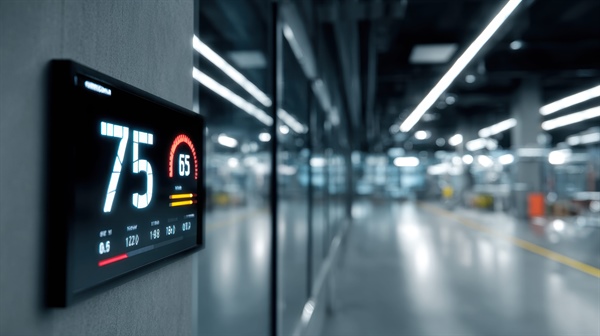
Energy management systems integrate with new builds by connecting lighting, HVAC, metering, scheduling, and load control into one coordinated operating strategy. In a commercial building, this can include lighting control panels, smart thermostats, submeters, occupancy sensors, demand-response-ready equipment, programmable schedules, and central dashboards. The system works best when the electrical design includes the right wiring pathways, communication infrastructure, equipment locations, and control zones from the start.
A new build can divide energy use by space type and operating schedule. A retail storefront may need sales-floor lighting, sign circuits, stockroom controls, exterior lighting, and after-hours security lighting. A medical office may need treatment-room lighting, equipment circuits, emergency power planning, and tighter scheduling. An office tenant fit-out may need conference-room controls, open-office lighting zones, and receptacle control. These differences matter because energy management is most effective when each area responds to how people use the space.
Modern commercial electrical services often support building systems that do more than turn equipment on and off. They help track consumption, reduce peak demand, identify abnormal loads, and simplify adjustments as the tenant mix changes. Submetering can show which spaces use the most power. Lighting control reports can show whether schedules match actual occupancy. Load management can help reduce demand charges when multiple systems would otherwise run at full power at the same time.
Integration also depends on commissioning. Sensors need correct placement, dimming zones need testing, schedules need owner review, and overrides need to be clear to building staff. A poorly commissioned system can waste energy even when efficient equipment is installed. A well-commissioned system gives operators a reliable baseline, which makes future troubleshooting and optimization much easier.
Long-Term Cost Savings From Efficient Electrical Systems
Efficient electrical systems reduce long-term costs in several ways: lower electricity use, lower peak demand, reduced heat gain from lighting, longer fixture life, fewer maintenance visits, and better equipment planning. In many commercial buildings, lighting is one of the most visible operating loads, and inefficient lighting can also increase cooling demand because older lamps release more heat into occupied spaces. Efficient LED systems reduce both direct lighting wattage and the cooling burden tied to that heat.
Controls increase savings by reducing runtime. A high-efficiency fixture still wastes energy if it stays on in an empty room for 12 hours. Occupancy sensors, scheduling, daylight dimming, and zoning reduce that waste. In larger buildings, the savings become more meaningful because small daily reductions repeat across many rooms, fixtures, and operating days. The financial value depends on utility rates, operating hours, fixture wattage, control settings, and maintenance costs.
Efficient wiring and equipment planning also protect against hidden costs. Undersized panels, crowded conduits, weak circuit organization, and limited spare capacity can make future tenant improvements expensive. A well-planned system can support added equipment, lighting changes, signage, EV charging preparation, low-voltage systems, and tenant reconfiguration with less disruption. That flexibility has value because commercial spaces often change long before the building reaches the end of its service life.
Long-term savings also come from better maintenance. LED fixtures usually require less frequent lamp replacement than legacy lighting. Clearly labeled panels, organized circuits, and documented controls reduce troubleshooting time. When building, staff can identify the right circuit or control zone quickly, and outages and service calls can be resolved faster.
How Title 24 Shapes Commercial Energy Design
Title 24, Part 6, influences commercial energy design by setting California’s minimum requirements for building energy performance. For commercial construction, this affects lighting power density, lighting controls, acceptance testing, mechanical systems, envelope performance, compliance documentation, and approved performance modeling. A project’s permit date matters because California updates its Energy Code on a cycle, and the 2025 Energy Code applies to buildings whose permit applications are filed on or after January 1, 2026.
For electrical design, Title 24 strongly affects lighting decisions. Designers must consider how much lighting power is allowed, which controls are required, how daylight zones are treated, where automatic shutoff is required, and how controls will be tested. Nonresidential lighting controls often require acceptance testing, which means the system must not only be installed but also verified for proper operation. This makes early coordination between the electrical contractor, lighting designer, general contractor, and owner important.
Title 24 also pushes teams to think about performance instead of isolated products. A fixture, sensor, or control device may be efficient on its own, but the building must function as a code-compliant system. Controls need to match the space type. Wiring needs to support those controls. Documentation needs to match the installed equipment. Field conditions need to match the approved plans. When those pieces drift apart, projects can face delays during inspection, testing, or closeout.
Commercial projects in Palm Desert and nearby desert communities also need to account for local climate conditions. High cooling loads make lighting efficiency more valuable because reduced lighting heat can support lower cooling demand. Code compliance creates the baseline, but good design can go beyond the baseline by improving comfort, reducing waste, and giving owners better control over building operations.
California Energy Rebates for Commercial Electrical Upgrades
California rebate opportunities vary by utility territory, program funding, equipment type, project timing, and whether the project is new construction or retrofit. Commercial lighting upgrades, lighting controls, refrigeration improvements, HVAC controls, motors, variable-frequency drives, energy management systems, and custom efficiency measures may qualify under certain programs. New construction projects may also have access to design assistance or incentive paths when efficiency is built into the project before equipment is purchased.
Lighting-related rebates often focus on measurable energy savings. Eligible measures may include LED fixture upgrades, advanced lighting controls, occupancy sensors, daylighting controls, exterior lighting improvements, and parking-area lighting upgrades. Some programs use deemed savings for common measures, while custom programs may require calculations, baseline documentation, invoices, product specifications, and pre-approval. Because program rules can change, rebate review should happen before installation starts.
Commercial owners should treat rebates as a planning item, not a paperwork item at the end of the job. Many incentive programs require pre-approval, existing-condition documentation, project scope review, and proof that the installed equipment meets program standards. If equipment is installed before approval, the project may lose eligibility. This is especially important for larger commercial spaces, tenant fit-outs, and electrical renovations where multiple systems are upgraded at once.
SoCal Electrical & Lighting has documented experience tied to energy-focused commercial work, including approval as a fluorescent retrofit energy rebate contractor. That background matters because rebate-driven projects depend on accurate scope, proper equipment selection, clean installation, and the documentation needed to support the claim.
Plan Efficient Commercial Electrical Systems With SoCal Electrical & Lighting
At SoCal Electrical & Lighting, we help commercial property owners plan electrical systems that support safe operation, energy efficiency, and long-term flexibility. Our team works with new construction, remodels, commercial wiring installation, design/build electrical and lighting, tenant fit-outs, lighting services, energy management systems, and electrical upgrades for buildings throughout the Coachella Valley area.
We understand that energy-efficient electrical design is not one decision. It includes lighting layouts, wiring pathways, panel capacity, load planning, control systems, Title 24 coordination, rebate awareness, and future service access. Whether the project is a new commercial build, a retail space, a medical office, an office tenant improvement, or a building renovation, we focus on clean installation, clear communication, and practical electrical solutions that help the building operate as intended.
SoCal Electrical & Lighting is located at 73700 Dinah Shore Dr, Suite 407, Palm Desert, CA 92211. To talk through your commercial electrical project, call 760-699-2686 or request estimate online.