
Residential safety
Electrical Warning Signs: What to Report and What Happens Next
Recognize when an electrical problem needs emergency action, record useful observations safely, and prepare for a focused diagnostic visit.
Originally published Guide updated
Updated guidance from SoCal Electrical & Lighting, with sources for the safety and equipment information discussed below.
Respond to immediate danger first
Electrical equipment that is smoking, burning or actively sparking calls for emergency action. Move away, keep others clear and call 911 from a safe location. Southern California Edison advises calling emergency services for these conditions and warns against using water on an electrical fire. Do not approach equipment to turn off a switch, take a closer photograph or investigate a smell if doing so puts you near the hazard. An online service request is for arranging follow-up, not managing an active emergency.
Describe the symptom without deciding its cause
Repeated trips, unexplained flickering, unusual buzzing, discoloration and overheated devices are among the warning signs identified by ESFI. A symptom can have more than one explanation, so describe what happened rather than requesting a particular replacement immediately. Stop using affected equipment that is damaged, hot or producing an unusual odor. Do not touch a device to check whether it is hot, repeatedly reset a breaker, or recreate the event to see whether the problem returns. Leave electrical testing to qualified personnel.
Give the office a short, useful account
A clear report identifies the room or area, what stopped working, when it started and whether the problem is constant or intermittent. Mention any new appliance, recent work or utility interruption you already know about. For example, reporting that kitchen lights dimmed when an appliance started is more useful than saying the entire house needs rewiring. Include only observations you can provide safely. Existing photos or an equipment model number may help, but opening a panel or moving a suspect appliance is unnecessary preparation.
Know what a diagnostic appointment is for
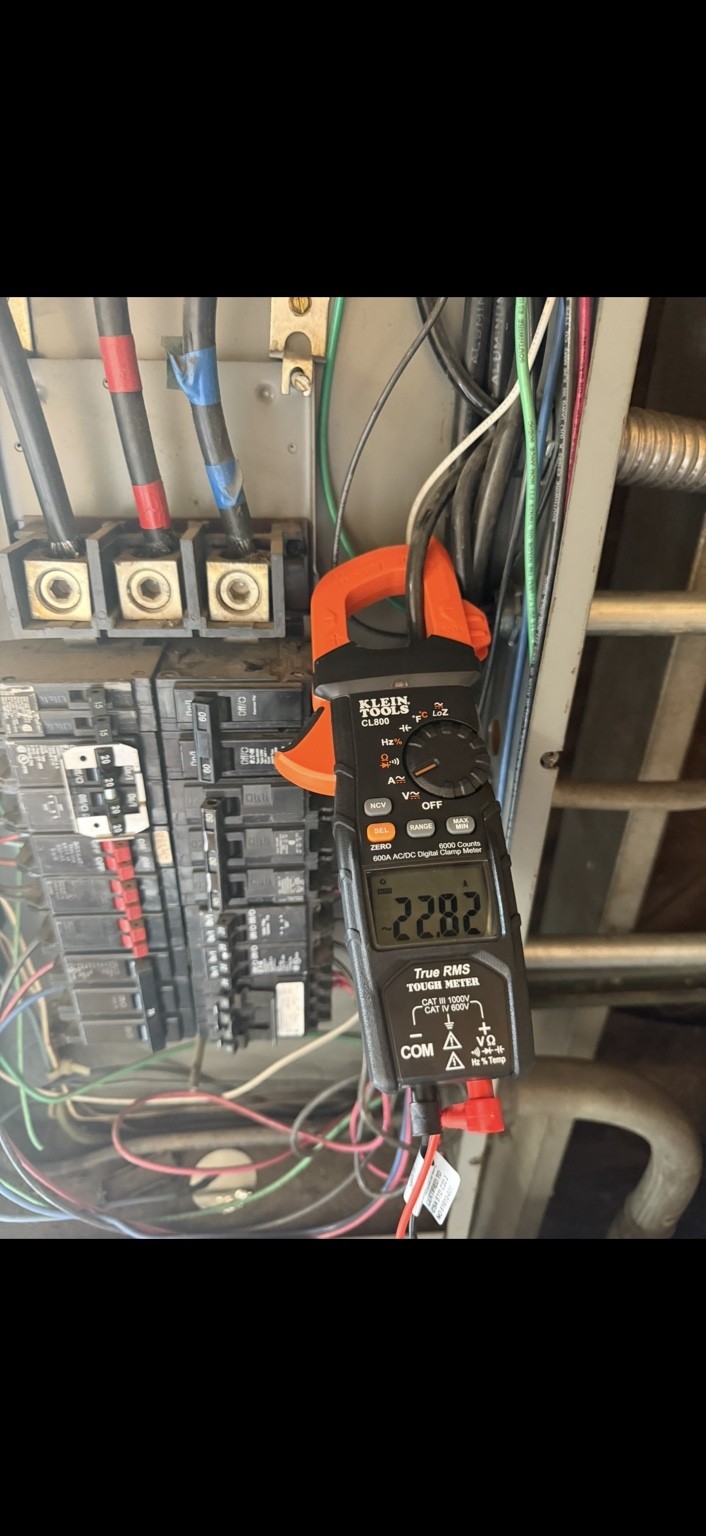
The purpose of diagnosis is to establish what can be confirmed and what requires further investigation. CPSC places the identification and repair of electrical defects with qualified professionals. SoCal's troubleshooting service focuses on the reported issue, with testing and tracing of accessible components and an explanation of the findings. Tell the office about locked rooms, tenant access, pets and equipment that must remain available. Discuss any anticipated interruption before work begins so the visit can be planned around the occupants.
Separate the finding from the repair decision
Ask what was observed or measured, which part of the system is affected and how that finding supports the recommended repair. A useful explanation also identifies what has not yet been inspected. If concealed wiring, additional access or a separate appliance specialist is involved, ask for the next step and its scope before authorizing more work. Keep the diagnostic charge, repair authorization and optional improvements clear. A repair at one location should not be mistaken for an assessment of every circuit in the home.
Leave with instructions for an unresolved or recurring problem
Intermittent problems may not appear during a single visit. Ask the electrician to distinguish confirmed findings from possible causes and explain any restrictions on using the affected equipment. Keep the service record and note any recurrence from a safe location, including its time and the activity already underway. Do not carry out your own experiment. If the condition worsens into smoke, fire or active sparking, use the emergency response described above. Otherwise, provide the new observations when arranging the documented follow-up.