
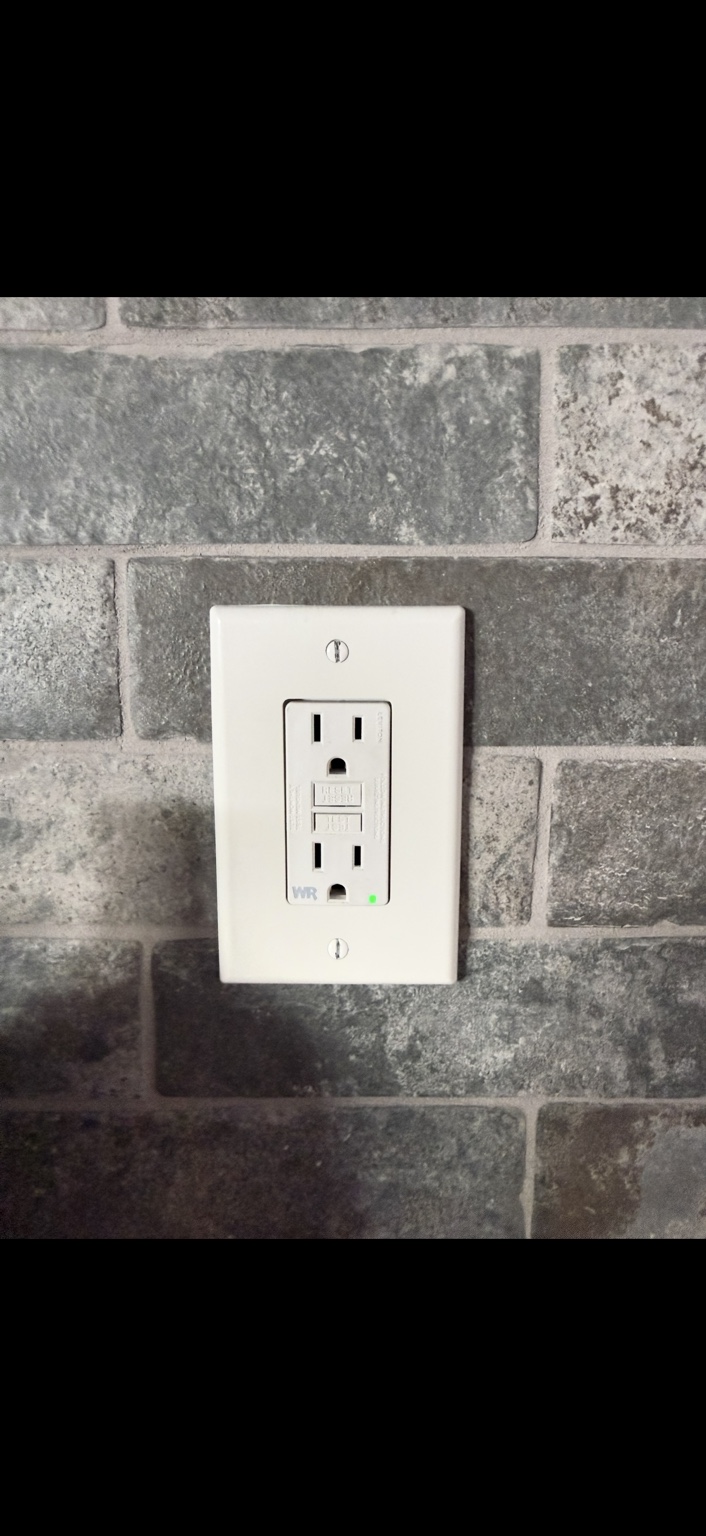
Switches, outlets & GFCIs
Add one outlet—including a bidet outlet—replace an existing device, or plan several new locations without making one outlet look like a full circuit project.
Choose the work
Select the closest match to start.
Choose one option to carry that work into the guided questions. The listed amount remains a planning range until site conditions and compatibility are confirmed.
Replace a standard outlet
$155–$300Replace one existing indoor outlet and wall plate.
Choose this optionReplace an indoor GFCI outlet
$200–$300Replace one existing indoor GFCI safety outlet and verify its test and reset operation.
Choose this optionReplace an outdoor GFCI outlet
$200–$300Replace one outdoor GFCI outlet with a weather-resistant cover.
Equipment and included components are confirmed before authorization.Choose this optionReplace a standard wall switch
$155–$300Replace one existing standard wall switch and plate, then verify normal operation.
Choose this optionReplace a dimmer switch
$200–$300Replace one existing dimmer after confirming compatibility with the connected lights.
Choose this optionAdd one indoor or bidet outlet
$200–$500Add one standard indoor or bidet outlet from a compatible nearby circuit with a short, accessible route.
Choose this optionAdd multiple outlets
Free estimate visitTell us how many outlets you need and where they will go. We review the circuits, route, access, and intended equipment instead of multiplying a one-outlet price.
Start this requestThe $155–$300 range applies only to replacing one standard outlet or wall switch. One compatible existing dimmer replacement is $200–$300. The $200 starting point for a new outlet applies only to one standard indoor or bidet outlet added from a compatible nearby circuit with a short, accessible route. Multiple devices, longer or concealed routes, new or dedicated circuits, panel work, specialty devices, permits, and wall or finish repair require project review. SoCal confirms the final scope and price before work is authorized.
The short answer
Choose a defined device replacement, add one outlet, or start with diagnosis.
Standard wall-switch, dimmer, outlet, and GFCI replacements have their own listed ranges when the existing box and wiring are compatible. One standard indoor or bidet outlet can start at $200 when a compatible nearby circuit and short, accessible route are confirmed. Dead, hot, loose, buzzing, or tripping devices begin with diagnosis.
A same-location switch, dimmer, outlet, or GFCI replacement is different from a new outlet or an electrical fault that needs diagnosis.
Service details
Open only the details you need.
Service choices and booking stay above. Scope, preparation, questions, and technical detail remain available here without turning the page into a wall of sections.
01When this service fitsCommon situations and the patterns worth reporting.+
Look beyond the faceplate
Device symptoms often reveal a larger circuit or protection issue.
Do not keep using or repeatedly resetting a device that shows heat, movement, damage, odor, buzzing, or recurring failure. These conditions need a verified path.
The plug or device feels loose
Mechanical wear, box support, device condition, and connection integrity should be reviewed instead of relying on plug tension alone.
A receptacle is warm or discolored
Stop using the affected location when it is safe to do so and contact the office for guidance.
Several outlets are dead
An upstream GFCI, shared connection, breaker, switch, or branch-circuit condition may affect multiple locations.
A GFCI will not reset
The device may lack power, detect a downstream condition, be affected by moisture, or require replacement after testing.
An outdoor device has weather exposure
Enclosure, cover, device rating, seal, drainage, mounting, and circuit protection all influence the repair scope.
A new appliance needs a convenient outlet
Convenience does not determine circuit suitability; load, location, protection, and manufacturer requirements must be checked.
02What we review and includeThe system, available paths, and the defined service scope.+
Understand line, load, and protection
The device is one point in a circuit that may serve several locations.
Power reaches an outlet or switch through upstream connections and protective equipment. A GFCI may also protect other devices downstream. That is why a dead receptacle can be caused by a different device or connection elsewhere, and why replacing only the visible part can leave the actual issue unresolved.
The one-outlet starting range applies only when the location, source circuit, wiring, box, protection, access, and intended use match that simple scope. Multiple locations, new circuits, concealed faults, damaged boxes, wet locations, specialty controls, finish work, or unknown conditions move the request into diagnostic or project review.
Four customer-friendly paths
Add one outlet
For a qualifying indoor or bidet location with a compatible nearby circuit and a short, accessible route.
Add multiple outlets
For two or more locations reviewed together so circuit needs, routes, access, and finishes are priced honestly.
Replace a switch, dimmer, outlet, or GFCI
For one compatible same-location device after the box, wiring, protection, load, condition, and normal access are confirmed.
Diagnose a device problem
For dead, intermittent, hot, loose, buzzing, damaged, or repeatedly tripping devices and their upstream circuit path.
A complete device-level check
What should be verified before the faceplate goes back on.
The listed one-device or one-outlet range covers only the defined scope. Multiple locations, circuit repair, added wiring, specialty equipment, access, and finish conditions are reviewed separately.
- 01Device type, intended use, rating, configuration, and customer-supplied equipment review
- 02Accessible box, mounting, conductor, connection, grounding, and physical-condition observations
- 03Upstream power, line/load relationship, downstream protection, and reset behavior where relevant
- 04Circuit and protective-device compatibility for the defined replacement or new location
- 05Weather-resistant device, enclosure, cover, mounting, and exposure review for outdoor work
- 06Plate fit, normal operation, known finish responsibilities, and additional findings explained separately
03Project paths and next stepsHow the work is classified and what happens after you request service.+
Choose a replacement, one new outlet, several locations, or diagnosis
Four lanes keep a one-device price from becoming a misleading project price.
You do not need electrical terminology. Tell us the number of locations, whether they already exist, and whether anything is malfunctioning.
Add one indoor or bidet outlet
For one qualifying location from a compatible nearby circuit with a short, accessible route.
Add two or more outlets
For several locations reviewed and priced as one project without multiplying the one-outlet range.
Replace an existing device
For one working switch, dimmer, outlet, or GFCI being changed in the same location after compatibility is confirmed.
Something is not working
For a dead, tripping, loose, hot, buzzing, damaged, or intermittent device that needs diagnosis.
From visible symptom to verified operation
Device work is small only when the electrical conditions are already clear.
The sequence confirms whether a one-location range fits or whether the request needs diagnostic or project review.
- 01
Identify the device and condition
Confirm type, location, intended use, current operation, visible damage, and connected equipment.
- 02
Verify the upstream path
Check relevant power, protection, GFCI relationships, switching, and accessible circuit conditions.
- 03
Review the box and wiring
Confirm mounting, conductors, connections, grounding, space, enclosure, and exposure conditions.
- 04
Set the right scope
Confirm one qualifying new outlet, one compatible same-location device replacement, diagnostic work, or a multiple-location project before pricing.
- 05
Replace, test, and explain
Complete the authorized work, verify normal operation and protection, and separate additional findings.
04Questions to ask any electricianThree practical questions, written-scope checks, and warning signs.+
05Helpful guidesRelated articles from SoCal’s existing public library.+
From SoCal’s existing library
Go deeper before you decide.
These are existing SoCal Electrical & Lighting articles—not newly invented project claims. Each opens in the current public article archive.
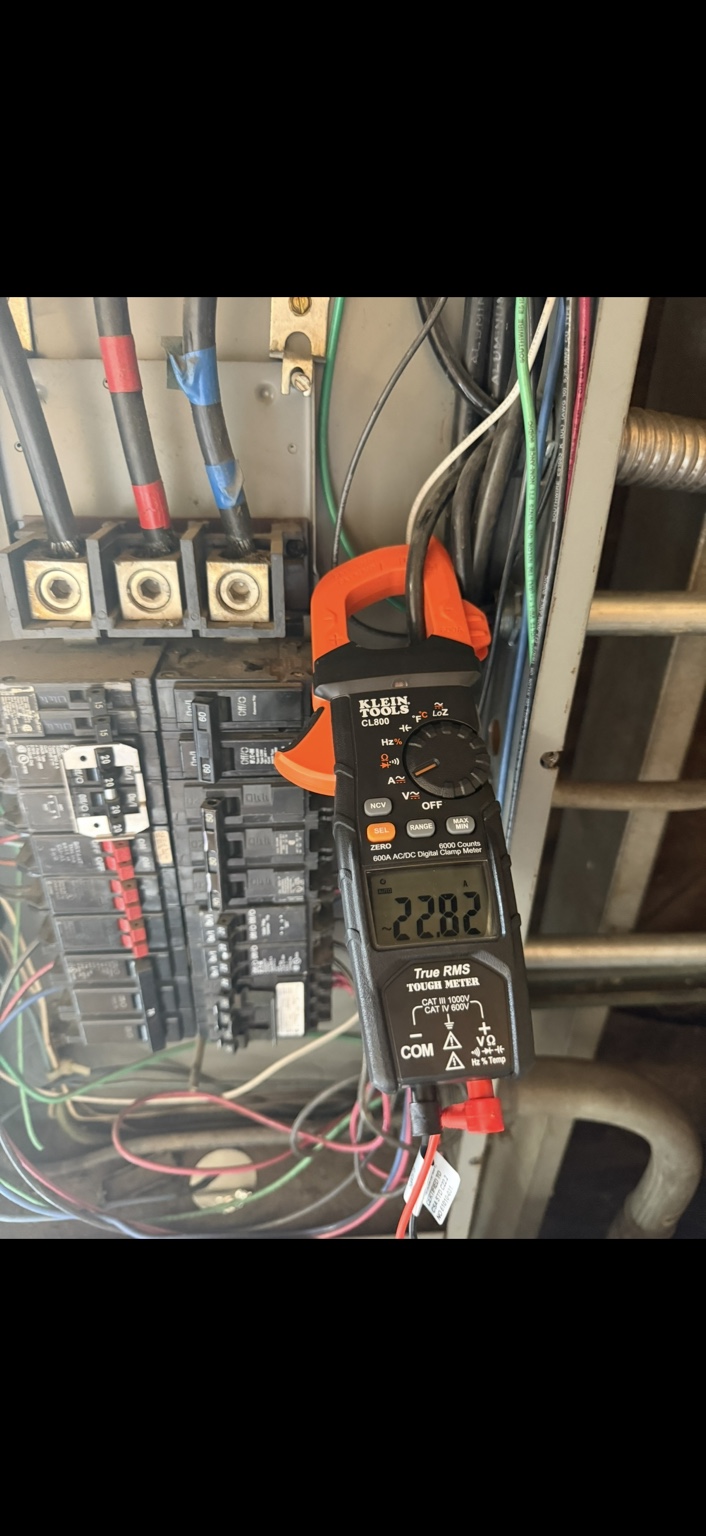
Warning Signs of Faulty Electrical Wiring in a Home
Recurring trips, unusual heat or odors, damaged devices, and other conditions that deserve a professional evaluation.
Read full article →How Can Homeowners Improve Electrical Safety in Older Southern California Homes?
Electrical-safety considerations for older homes, including wiring condition, panel limitations, and protective devices.
Read full article →Straight answers
Device questions to settle before replacement.
Why can one tripped GFCI make other outlets go dead?
A GFCI can protect downstream devices connected to its load side. The visible dead outlet may be supplied through another protected location, so upstream power and device relationships should be traced before replacement.
When does the $200 added-outlet starting point apply?
It applies only to one standard indoor or bidet outlet added from a compatible nearby circuit with a short, accessible route. Multiple outlets, longer or concealed routes, dedicated circuits, panel work, specialty devices, permits, and wall or finish repair require project review.
Can an indoor outlet be used outside with a cover?
Outdoor work requires the complete location to be reviewed, including device and enclosure ratings, cover type, mounting, exposure, seal, drainage, circuit protection, and applicable installation requirements.
Should I replace an outlet that feels warm or will not hold a plug?
Stop using a device that is warm, discolored, damaged, loose, buzzing, or smells unusual when it is safe to do so, and contact the office. The device and accessible circuit conditions should be evaluated.
Can a new appliance share an existing circuit?
That depends on the equipment instructions, load, circuit rating, other connected loads, location, and required protection. A convenient nearby outlet does not by itself establish suitability.