
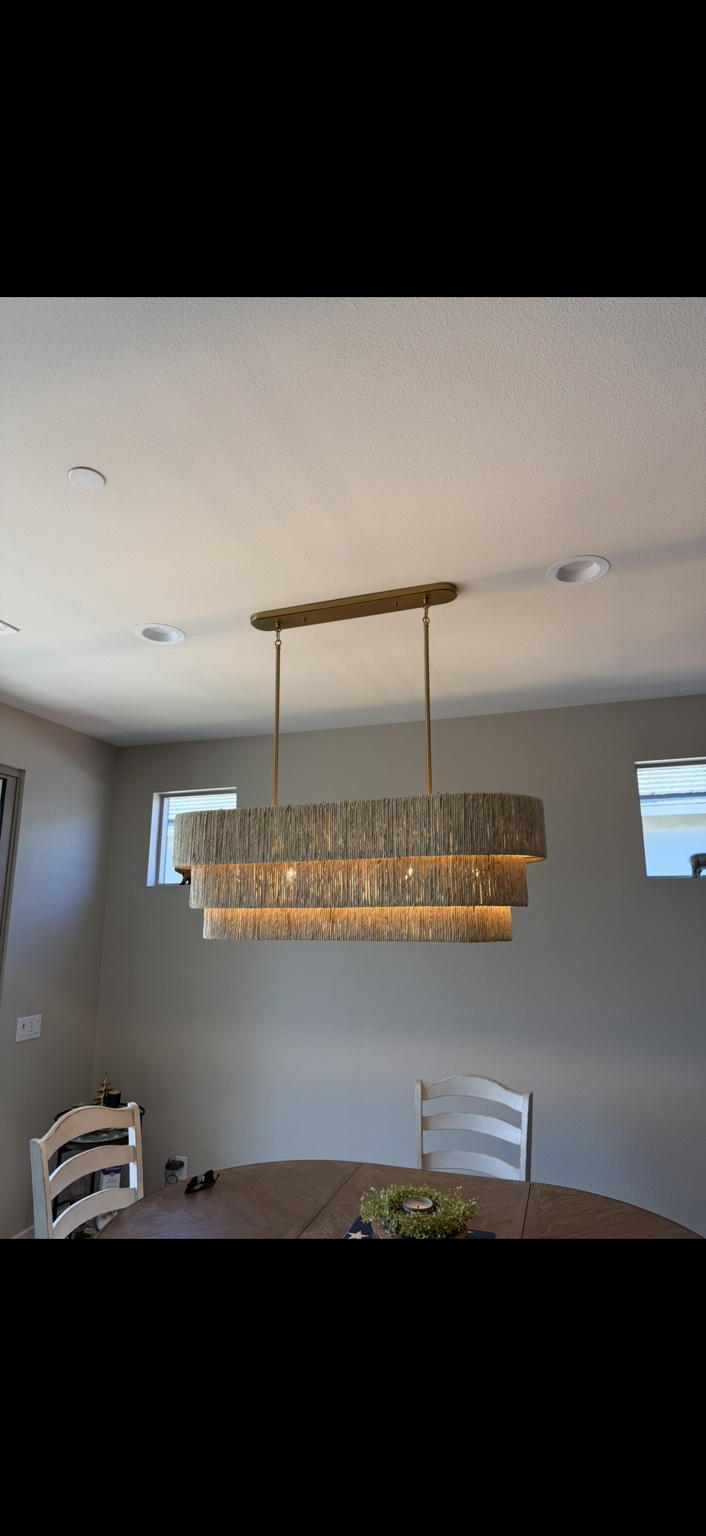
Indoor lighting & ceiling fans
Install or replace fixtures and ceiling fans after evaluating mounting, switching, dimming, access, and finish conditions.
Choose the work
Select the closest match to start.
Choose one option to carry that work into the guided questions. The listed amount remains a planning range until site conditions and compatibility are confirmed.
Replace a light fixture
$200–$300Replace one fixture at an existing supported location using the existing wiring.
Choose this optionReplace an existing ceiling fan
$300–$400Replace one customer-supplied ceiling fan at an existing accessible location with usable fan-rated support, wiring, and controls.
Choose this optionAdd a new 4–6 in recessed can light
$400–$500Add one new 4–6 inch recessed can light from an accessible lighting circuit.
Equipment and included components are confirmed before authorization.Choose this optionPlanning ranges are not final quotes. Quantity, access, existing conditions, equipment compatibility, permits, utility requirements, concealed conditions, finish work, and work outside the listed scope can change the final price. SoCal confirms scope and price before additional work is authorized.
The short answer
The right light should fit the ceiling, the circuit, the controls, and the way the room is used.
A same-location fixture change can be predictable. A new opening, ceiling fan, dimmer, architectural layout, or symptom such as flickering changes the path. Start by separating defined installation work from diagnosis and design.
Good lighting work coordinates the fixture, support, switching, dimming, access, and finished room—not the fixture alone.
Service details
Open only the details you need.
Service choices and booking stay above. Scope, preparation, questions, and technical detail remain available here without turning the page into a wall of sections.
01When this service fitsCommon situations and the patterns worth reporting.+
Choose installation or diagnosis first
The symptom and the desired result determine the correct lighting path.
Lighting problems can originate in the lamp, fixture, control, connection, circuit, load, or supplied equipment. Planned upgrades need a different starting point from unknown faults.
One fixture simply needs replacement
A defined same-location scope may apply when the feed, box, mounting, access, and new fixture are compatible.
The new fixture is heavier or larger
Support, box rating, canopy coverage, ceiling finish, and assembly requirements need review before installation.
A dimmer and LED load do not work together
Lamp or driver type, control compatibility, minimum load, neutral requirements, and settings can affect performance.
Several lights change at the same time
Shared switching, circuit conditions, controls, or upstream connections may require diagnosis instead of individual replacement.
The room has glare or uneven light
Fixture spacing, beam angle, color, output, surface reflectance, and task locations matter more than raw brightness.
The work is high, vaulted, or difficult to reach
Access equipment, protection of finishes, assembly, and safe working conditions can change the scope.
02What we review and includeThe system, available paths, and the defined service scope.+
Treat the room as a lighting system
Fixture, placement, support, control, and finish conditions have to work together.
A lighting project begins with the result: general illumination, task light, accent, circulation, fan comfort, or a combination. The fixture and layout are then checked against ceiling construction, mounting support, existing feeds, switching, dimming, color and output, access, and visible finish conditions.
Defined same-location work can use a published planning range. New openings, uncertain wiring, extensive layout work, specialty access, incompatible equipment, or unknown symptoms move to a reviewed or diagnostic path so the site does not disguise a custom project as a simple installation.
Three lighting scopes to separate early
Same-location fixture replacement
For compatible equipment at an existing listed box and feed with suitable support and ordinary access.
New 4–6 inch recessed can light
For a new opening where route, switching, ceiling conditions, spacing, and finish assumptions are understood.
Layout, fan, or specialty project
For multiple rooms, new controls, ceiling fans, architectural fixtures, difficult access, or design coordination requiring review.
A complete fixture-level review
What should be confirmed before a light or fan is installed.
The exact list varies by scope, but these decisions prevent the visible fixture from hiding an unresolved mounting, control, or finish issue.
- 01Fixture or fan model, listing, dimensions, weight, assembly, and customer-supplied condition
- 02Suitable mounting support, box type and rating, canopy coverage, and ceiling construction
- 03Existing feed, switching, dimming, sensor, neutral, driver, and lamp compatibility
- 04Ceiling height, access equipment, furniture protection, and work-area conditions
- 05Layout, beam, color, output, glare, and intended use for new or redesigned lighting
- 06Known patching, painting, texture, trim, specialty assembly, and finish responsibilities
03Project paths and next stepsHow the work is classified and what happens after you request service.+
Pick the lighting outcome
Three clear ways to begin without mixing diagnosis and design.
Defined installation ranges apply only when the stated conditions match. Unknown faults use the separate diagnostic lane.
Replace what is already there
For a compatible fixture or downlight using the same location, feed, support, and normal access.
Add new light locations
For new openings, switching, routing, spacing, ceiling conditions, and finish work that can be reviewed together.
Diagnose lighting behavior
For flicker, dimming, dead fixtures, unusual heat, buzzing, repeated failure, or an unknown source.
From the room to the final control
Lighting is planned from the experience backward.
The sequence separates the visual objective from the electrical and finish conditions needed to deliver it responsibly.
- 01
Define the use
Identify general, task, accent, circulation, fan, or control goals and how the room is occupied.
- 02
Verify equipment and support
Review the fixture or fan, listing, dimensions, weight, box, support, ceiling, and access.
- 03
Confirm the electrical path
Check feed, switching, dimming, sensors, route, circuit conditions, and compatibility.
- 04
Set scope and finish responsibilities
Document quantities, locations, access, protection, patching, painting, trim, and exclusions.
- 05
Install and verify operation
Complete the authorized work, test the controls, review the result, and separate additional findings.
04Questions to ask any electricianThree practical questions, written-scope checks, and warning signs.+
05Helpful guidesRelated articles from SoCal’s existing public library.+
From SoCal’s existing library
Go deeper before you decide.
These are existing SoCal Electrical & Lighting articles—not newly invented project claims. Each opens in the current public article archive.
What Types of Indoor Lighting Upgrades Can Improve Efficiency and Comfort?
A practical look at LED lighting, dimming, zoning, and controls for more comfortable interior spaces.
Read full article →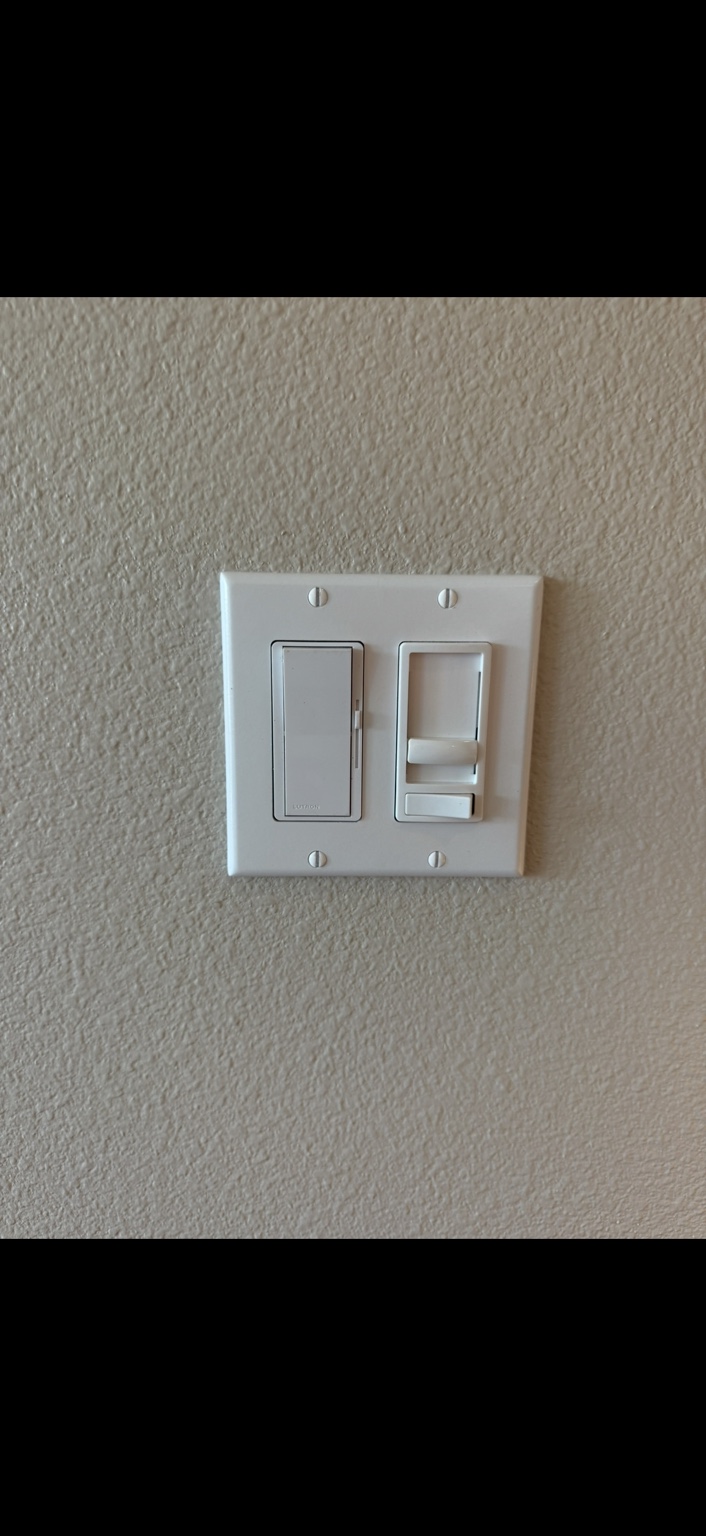
Smart Home Electrical Integration and Automation Systems
How compatible wiring, controls, and electrical infrastructure support connected devices throughout a home.
Read full article →Straight answers
Lighting questions to answer before the ladder comes out.
When does the published fixture-replacement range apply?
It applies to the defined same-location work after the existing feed, listed box, mounting support, fixture compatibility, access, and finish conditions are confirmed. New locations, specialty equipment, difficult access, or repairs can change the scope.
Can SoCal install a fixture or fan I purchased?
Customer-supplied equipment can be reviewed for listing, condition, weight, assembly, support, dimensions, controls, instructions, parts, lead time, and warranty responsibilities before installation.
Why do LED lights flicker with some dimmers?
Driver and dimmer compatibility, minimum load, control settings, neutral requirements, shared circuits, wiring conditions, or supplied equipment can all affect performance. Unknown causes belong in the diagnostic path.
Is patching or painting included around a new opening?
Finish responsibilities should be written into the scope. Opening size, ceiling texture, fixture coverage, access cuts, patching, painting, trim, and work by other trades are not assumed.
How is ceiling height handled?
Standard, tall, vaulted, stair, and specialty-access conditions require different equipment and protection. Height and access should be disclosed so the range and schedule can be reviewed before authorization.