
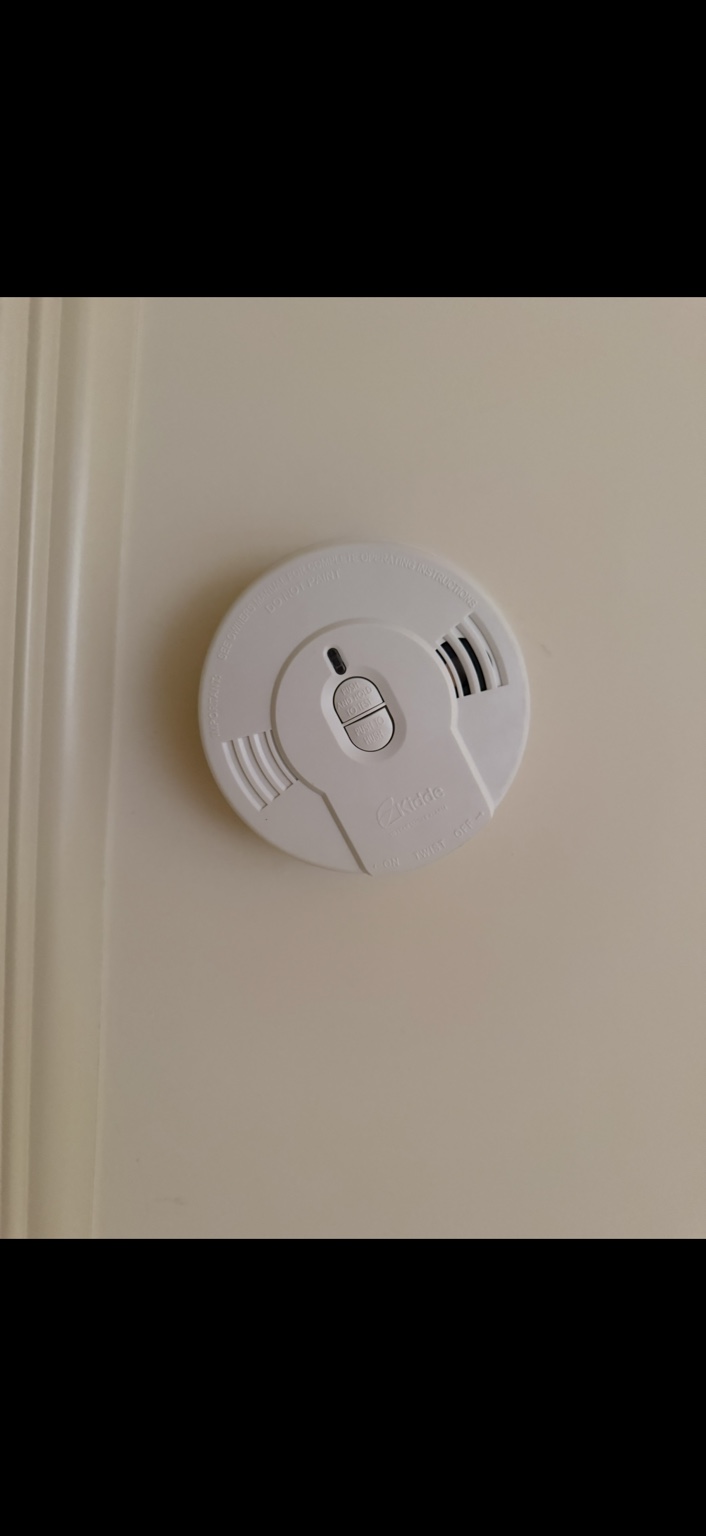
Smoke, CO & safety devices
Replace aging smoke and carbon-monoxide alarms, diagnose chirping or interconnection faults, and review device locations and existing wiring conditions.
Choose the work
Select the closest match to start.
Choose one option to carry that work into the guided questions. The listed amount remains a planning range until site conditions and compatibility are confirmed.
Replace an existing hardwired smoke/CO alarm
$300–$400Replace one alarm at an existing hardwired location and verify operation.
Choose this optionAdd a new hardwired smoke/CO alarm
Project price after visitAdd and connect one new hardwired alarm from an accessible circuit and interconnection path.
Equipment and included components are confirmed before authorization.Schedule a free estimatePlanning ranges are not final quotes. Quantity, access, existing conditions, equipment compatibility, permits, utility requirements, concealed conditions, finish work, and work outside the listed scope can change the final price. SoCal confirms scope and price before additional work is authorized.
The short answer
A chirp, a full alarm, and a planned device replacement are three different service conditions.
Smoke and carbon-monoxide alarms can be battery powered, hardwired with backup batteries, or interconnected across the property. The correct response depends on what the device is signaling, its age and instructions, whether several alarms are involved, and the condition of the existing wiring and locations.
Alarm work begins with device age, power source, interconnection, location, compatibility, and the exact chirp or alarm pattern.
Service details
Open only the details you need.
Service choices and booking stay above. Scope, preparation, questions, and technical detail remain available here without turning the page into a wall of sections.
01When this service fitsCommon situations and the patterns worth reporting.+
Identify the signal before silencing it
The sound pattern, indicator, and affected devices matter.
Never ignore an active smoke or carbon-monoxide alarm. Move to a safe location and use emergency services when there may be an actual fire, smoke, or CO event.
A single periodic chirp repeats
Check the device instructions, indicator, backup battery, date, power, and pattern rather than removing it without a replacement plan.
Multiple alarms sound at once
Interconnected devices may all sound because one unit initiated the event; locating that source is part of diagnosis.
An alarm sounds near steam or cooking
Location, device type, contamination, airflow, age, and sensitivity can contribute, but relocation should follow an informed review.
A hardwired device has no power indication
Circuit, connector, device, interconnection, and backup operation need to be evaluated.
Devices are mixed by age or model
Compatibility, manufacturer instructions, replacement dates, bases, harnesses, and interconnection behavior should be reviewed as a system.
The property layout has changed
Remodeling, additions, bedrooms, hallways, levels, fuel-burning equipment, and local requirements can affect the location plan.
02What we review and includeThe system, available paths, and the defined service scope.+
Treat alarms as a life-safety system
Power, sensing, interconnection, placement, and testing must work together.
Each device has a sensing purpose, power source, backup method, sound and light indicators, replacement instructions, and location requirements. In an interconnected system, one initiating device may cause every alarm to sound, so the first noisy device is not always the source.
A replacement review checks the existing device type and dates, hardwired connector or base, interconnection, accessible wiring, locations, manufacturer compatibility, and group test. New locations or material changes require a reviewed scope because routing, access, finish work, and applicable requirements vary by property.
Four alarm-service paths to distinguish
Same-location hardwired replacement
For a defined existing device after type, power, base or harness, interconnection, access, and condition are confirmed.
Chirp or nuisance-alarm diagnosis
For an unknown pattern, repeated alarm, power issue, contamination, compatibility concern, or initiating device that needs tracing.
Coordinated group replacement
For multiple devices where dates, models, interconnection, locations, and testing should be reviewed together.
New or relocated alarm
For added wiring, new locations, remodels, layout changes, access, finish work, and applicable requirements requiring staff review.
A system-level replacement standard
What should be checked before an alarm is considered back in service.
The published replacement range applies to the listed same-location hardwired scope. New locations and unresolved system faults receive review.
- 01Exact chirp or alarm pattern, initiating-device indication, and reported event reviewed
- 02Device type, manufacture or replacement date, power source, backup, and instructions checked
- 03Existing base, connector, accessible wiring, interconnection, and compatibility reviewed
- 04Location, ceiling or wall condition, access, and changed property layout discussed
- 05Replacement device installed within the authorized same-location scope or exceptions explained
- 06Individual and interconnected test completed where applicable, with normal indicators reviewed
03Project paths and next stepsHow the work is classified and what happens after you request service.+
Choose the signal pattern
Three customer-level descriptions lead to a clearer first step.
You do not need to decode the alarm. Record which device indicates the event, what the sound pattern is, and whether other devices respond.
Planned same-location replacement
For existing hardwired devices being replaced after dates, type, compatibility, and interconnection are reviewed.
Chirp or unexplained alarm
For a repeated sound, no-power indication, group activation, or initiating source that is not yet understood.
New device or layout review
For additions, remodels, changed rooms, new wiring, new locations, or a broader property safety-device plan.
From sound pattern to group test
Safety-device work should leave the system understandable.
The process records the signal, verifies the device and interconnection, and separates defined replacement from new-location work.
- 01
Identify the event
Record smoke, CO, chirp, voice, indicator, initiating-device, time, duration, and whether an actual hazard may be present.
- 02
Review device dates and types
Confirm power, backup, model, instructions, replacement date, locations, and the mix across the property.
- 03
Check power and interconnection
Evaluate accessible connector, wiring, circuit, base, initiating-device indication, and group behavior.
- 04
Complete the authorized scope
Replace compatible same-location devices or document the new-location, wiring, access, and finish plan.
- 05
Test and explain
Verify individual and group operation as applicable and review indicators, testing, replacement dates, and open findings.
04Questions to ask any electricianThree practical questions, written-scope checks, and warning signs.+
05Helpful guidesRelated articles from SoCal’s existing public library.+
From SoCal’s existing library
Go deeper before you decide.
These are existing SoCal Electrical & Lighting articles—not newly invented project claims. Each opens in the current public article archive.
How Can Homeowners Improve Electrical Safety in Older Southern California Homes?
Electrical-safety considerations for older homes, including wiring condition, panel limitations, and protective devices.
Read full article →Warning Signs of Faulty Electrical Wiring in a Home
Recurring trips, unusual heat or odors, damaged devices, and other conditions that deserve a professional evaluation.
Read full article →Straight answers
Alarm questions to answer without guessing at the sound.
What should I do during an active smoke or CO alarm?
Treat a possible fire, smoke, or carbon-monoxide event as real. Move to a safe location and contact emergency services. Do not use a website page to rule out an active hazard.
Does every chirp mean the battery is low?
No. Sound patterns and indicators can represent power, backup battery, end-of-life, fault, contamination, interconnection, or manufacturer-specific conditions. Record the pattern and check the device instructions.
Can one alarm make all of them sound?
Yes, in an interconnected system one initiating device can cause the group to sound. The initiating indicator and device history help locate the source.
When does the published hardwired replacement range apply?
It applies to the defined same-location device scope after power, base or connector, accessible wiring, device type, compatibility, interconnection, access, and condition are verified.
Can new alarms be added during a remodel?
Yes, after the property layout, plans, power and interconnection method, device locations, access, finish work, permits, and applicable requirements are reviewed. New locations are priced after scope review.