
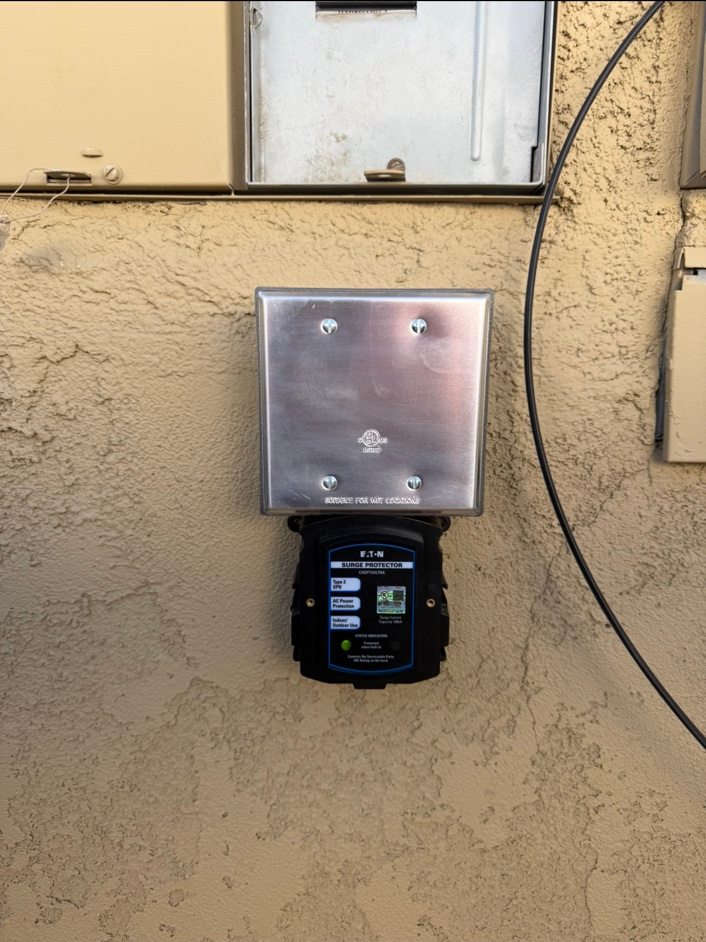
Whole-home surge protection
Add panel-mounted protection to help reduce surge risk to connected equipment. We confirm panel compatibility before work begins.
Price and next step
Book panel-installed whole-home surge protection.
The amount shown is tied to the listed scope. Site conditions and compatibility are confirmed before the final work is authorized.
Panel-installed whole-home surge protection
$900–$1,100Install whole-home surge protection at a compatible panel with the required breaker space.
Choose this optionPlanning ranges are not final quotes. Quantity, access, existing conditions, equipment compatibility, permits, utility requirements, concealed conditions, finish work, and work outside the listed scope can change the final price. SoCal confirms scope and price before additional work is authorized.
The short answer
Panel-level surge protection can reduce risk, but it is not a promise that every event or every device is covered.
A responsible plan checks the service or panel, device compatibility, available space, connection path, grounding and bonding observations, status indication, replacement expectations, manufacturer terms, and the sensitive equipment the property is trying to protect.
Whole-home surge protection is one coordinated layer—matched to the panel, grounding conditions, sensitive loads, status indication, and realistic protection limits.
Service details
Open only the details you need.
Service choices and booking stay above. Scope, preparation, questions, and technical detail remain available here without turning the page into a wall of sections.
01When this service fitsCommon situations and the patterns worth reporting.+
Understand the protection layer
Compatibility and status matter more than the label on the package.
Surge protection works within limits. It should be presented as risk reduction within a coordinated electrical system, not universal equipment insurance.
No panel-level device is installed
Plug-in products may protect selected loads, but they do not replace review of a compatible service or panel-level layer.
The existing device has no clear status
Indicator state, model instructions, power, connection, event history, and replacement guidance should be reviewed.
Panel space or compatibility is uncertain
Equipment type, listing, location, available connection method, conductor path, and manufacturer instructions determine the scope.
Grounding or bonding conditions are unclear
Accessible conditions belong in the review because the protection device is only one part of the electrical path.
Sensitive systems exist throughout the property
HVAC, appliances, controls, networking, EV, pool, office, and entertainment equipment can justify a coordinated layered strategy.
A damaging event may already have occurred
Surge protection does not repair existing damage. Symptoms after an event need the appropriate equipment or electrical diagnostic path.
02What we review and includeThe system, available paths, and the defined service scope.+
Use layered protection and realistic limits
The panel-installed device is the first coordinated layer, not the only possible layer.
A service or panel-level device is selected and connected according to its listing and the verified equipment conditions. The practical installation depends on panel compatibility, connection location, conductor path, space, protection, grounding and bonding observations, access, and the manufacturer’s instructions.
Sensitive equipment may also benefit from compatible point-of-use protection or manufacturer-recommended protection. No surge device prevents every voltage event, direct lightning effect, utility problem, wiring fault, equipment failure, or damage scenario. Status indicators and replacement guidance need to remain visible after installation.
Four protection questions to resolve
New panel-level installation
Select a compatible listed device after panel, connection, space, grounding observations, access, and manufacturer instructions are verified.
Add-on during panel or EV work
Include the separate planning range beside an eligible project total without preselection or hidden bundling.
Existing-device review
Check model, indicator, accessible installation, power, event history, manufacturer guidance, and likely replacement needs.
Layered sensitive-equipment plan
Coordinate panel-level protection with compatible point-of-use or equipment-specific recommendations where appropriate.
A visible, maintainable protection layer
What should be confirmed before the device is considered in service.
The planning range applies to the defined panel-installed scope after equipment and field conditions are verified.
- 01Service or panel equipment, rating, manufacturer, location, access, and compatible connection method reviewed
- 02Listed surge device and installation instructions matched to the verified panel conditions
- 03Available space, conductor path, protective requirements, and accessible grounding and bonding observations checked
- 04Sensitive-load priorities and any separate point-of-use or equipment guidance discussed without universal claims
- 05Status indication kept visible and normal indicator state reviewed after installation
- 06Manufacturer documentation, limitations, replacement expectations, and separate warranty terms identified
03Project paths and next stepsHow the work is classified and what happens after you request service.+
Choose the protection context
Three clear ways to request surge protection.
Start a dedicated panel-level request, add the separately itemized range to eligible panel or EV work, or request review of an existing device.
Standalone panel-level protection
For a property with no known device after panel compatibility, space, connection, and grounding conditions are reviewed.
Add protection to panel or EV work
For an eligible request where the range remains a visible, optional line item that can be removed.
Review an existing protection device
For uncertain status, event history, age, indicator, installation, or replacement guidance.
From panel review to visible status
Protection should remain understandable after the cover is closed.
The process verifies compatibility, installs the defined layer, and leaves the customer with realistic limits and a way to check device status.
- 01
Identify the sensitive loads and concern
Record planned protection goals, recent events, existing devices, and equipment that matters most.
- 02
Verify panel compatibility
Review equipment, rating, space, connection method, access, conductor path, and accessible grounding conditions.
- 03
Confirm the listed device and range
Match the defined panel-installed scope or explain additional equipment, panel, access, or corrective work separately.
- 04
Install and verify status
Complete the authorized connection according to the verified equipment and review the normal indicator state.
- 05
Explain limits and replacement guidance
Provide manufacturer information, status-check expectations, layered-protection considerations, and separate warranty terms.
04Questions to ask any electricianThree practical questions, written-scope checks, and warning signs.+
05Helpful guidesRelated articles from SoCal’s existing public library.+
From SoCal’s existing library
Go deeper before you decide.
These are existing SoCal Electrical & Lighting articles—not newly invented project claims. Each opens in the current public article archive.
Whole-Home Surge Protection vs. Power Strips: What Homeowners Need to Know
What plug-in power strips are designed to do and how whole-home surge protection takes a different approach.
Read full article →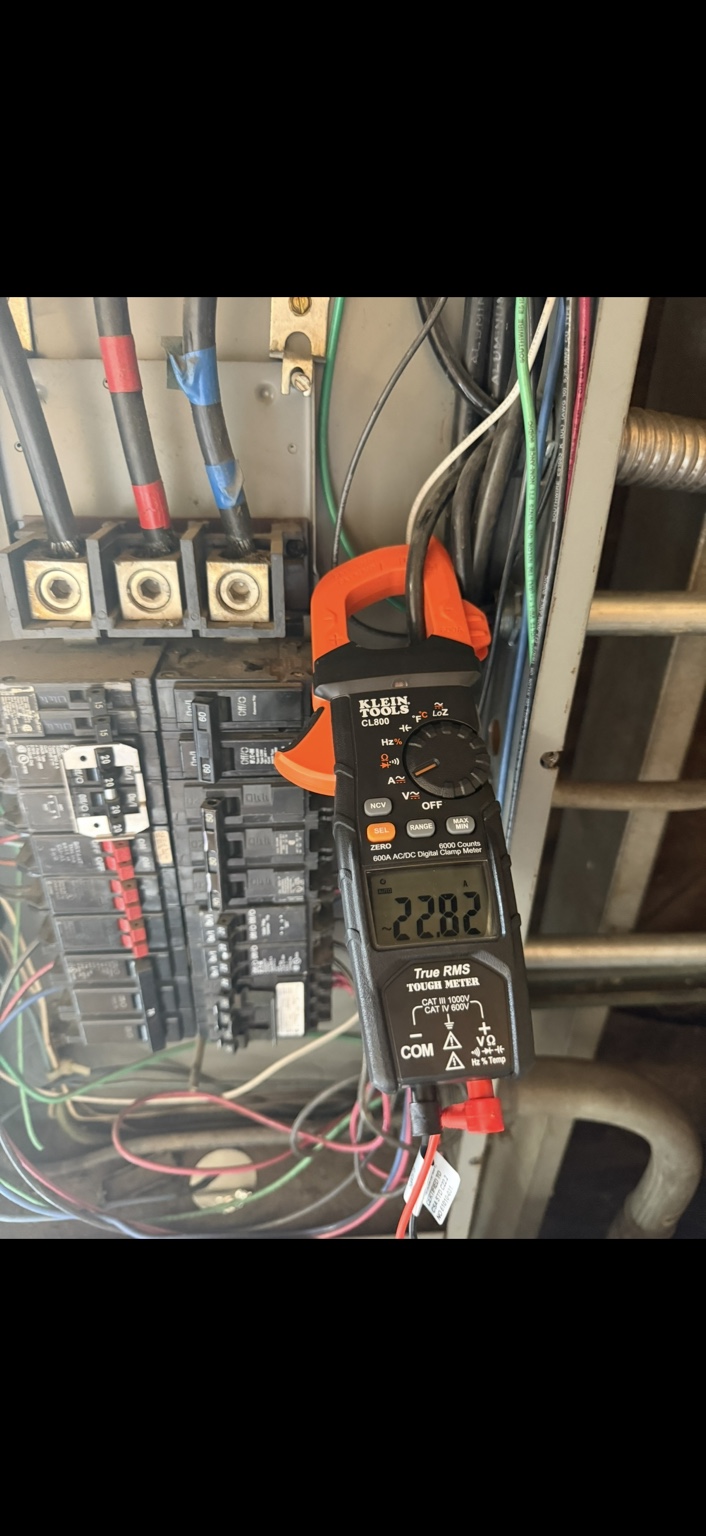
How Can Homeowners Improve Electrical Safety in Older Southern California Homes?
Electrical-safety considerations for older homes, including wiring condition, panel limitations, and protective devices.
Read full article →Straight answers
Surge-protection questions that deserve a realistic answer.
Does whole-home surge protection guarantee that equipment cannot be damaged?
No. It can reduce risk within its design and installation limits, but it does not prevent every utility event, wiring problem, direct lightning effect, equipment failure, or damage scenario.
Does the published planning range apply to every panel?
It applies to the defined panel-installed scope after compatibility, space, connection, access, conductor path, device, grounding observations, and field conditions are verified. Additional panel or corrective work is separate.
Do plug-in surge strips still matter?
Compatible point-of-use protection can be another layer for selected equipment. Product selection, status, replacement, grounding needs, and manufacturer guidance should be coordinated with the panel-level plan.
How do I know whether an existing device still works?
Review the model instructions and status indicator, confirm power and accessible installation conditions, and consider event history and manufacturer replacement guidance. A missing or abnormal indicator needs evaluation.
Is the manufacturer warranty the same as SoCal’s electrical scope?
No. Product registration, covered equipment, exclusions, documentation, claim procedures, and manufacturer warranty terms are separate from the authorized electrical installation scope.