
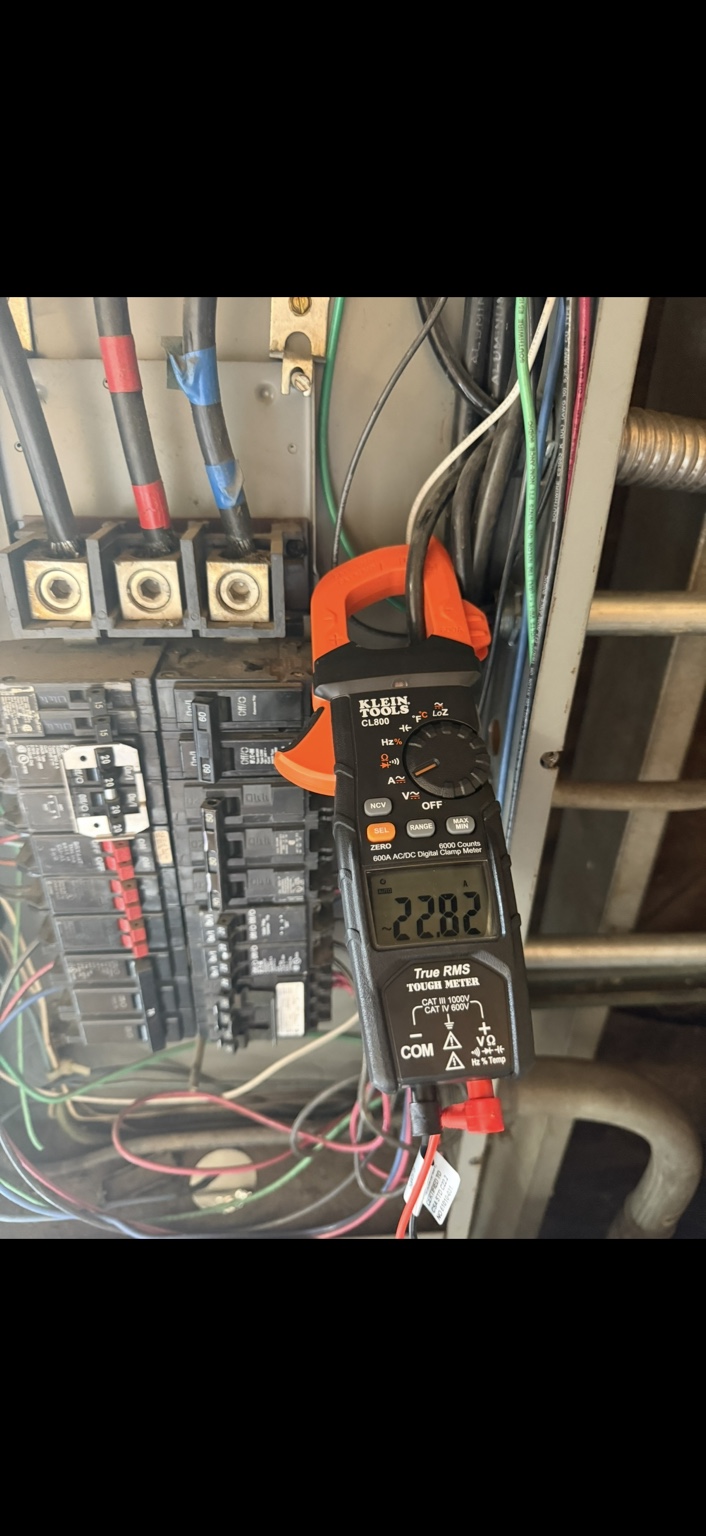
Electrical troubleshooting & repair
A diagnostic visit for flickering, partial outages, heat, buzzing, repeated tripping, or other electrical problems when the cause is unknown.
Diagnostic pricing
Know the diagnostic price before you request service.
The first-hour diagnostic price covers focused testing and source tracing for the issue you reported. We explain the findings and any additional cost before you approve more work.
First-hour electrical diagnostic
$155A structured first visit to find the cause of one reported electrical problem.
Start this requestThe diagnostic price covers the listed first-hour scope. Repairs, materials, specialty access, and work outside that scope are priced and authorized separately.
The short answer
When the cause is unknown, start with a diagnostic—not a guessed replacement.
Flickering, tripping, buzzing, heat, and partial outages can look simple while originating somewhere else in the circuit. A focused first-hour visit creates a disciplined path from the reported symptom to tested findings and a clear next step.
The goal is to identify the cause first, then discuss the repair that actually addresses it.
Service details
Open only the details you need.
Service choices and booking stay above. Scope, preparation, questions, and technical detail remain available here without turning the page into a wall of sections.
01When this service fitsCommon situations and the patterns worth reporting.+
Read the pattern before replacing parts
The timing and location of a symptom often narrow the search.
A useful service description is not expected to diagnose the problem. It gives the electrician a starting pattern to verify safely with testing.
The same breaker trips again
A reset that does not hold can point to a fault, overload, equipment issue, or protective-device concern that needs testing.
Several devices fail together
Multiple affected outlets, lights, or rooms can reveal a shared circuit or upstream connection.
The problem follows one appliance
Timing tied to HVAC, cooking, pool, or other equipment helps separate the load from the building wiring.
The symptom comes and goes
Intermittent faults still matter. Record when they happen instead of waiting for a complete failure.
Heat, discoloration, odor, or sound appears
Stop using the affected equipment when it can be done safely and call the office for immediate guidance.
The issue started after other work
Remodeling, equipment replacement, landscaping, storms, or utility interruptions can provide essential context.
02What we review and includeThe system, available paths, and the defined service scope.+
A disciplined diagnostic path
Source tracing moves from the reported symptom toward the shared electrical path.
The visit begins by confirming the symptom, affected locations, timing, and recent changes. Accessible devices, connections, circuit protection, voltage conditions, and relevant loads are then evaluated in an order that avoids replacing parts before the cause is understood.
Some problems can be isolated within the first hour. Others are concealed, intermittent, spread across multiple systems, or dependent on equipment that is not operating during the visit. In those cases, the useful result is a documented finding and the next test or repair scope—not a false promise that every fault can be solved immediately.
Four common diagnostic starting points
One outlet, switch, or fixture
Start locally, then verify the upstream circuit when the device itself does not explain the failure.
Repeated breaker or GFCI operation
Separate protective-device behavior from a downstream fault, connected load, moisture, or circuit issue.
Partial outage or multi-room symptoms
Review the shared distribution path, panel conditions, and any upstream point common to the affected areas.
Intermittent or load-related changes
Use the timing, operating equipment, and repeatable conditions to guide testing and any monitoring plan.
First-hour diagnostic scope
Focused investigation for one reported electrical problem.
The diagnostic price is for evaluation and source tracing. Repairs, materials, specialty access, and work beyond that defined visit are discussed separately.
- 01Review of the reported symptom, affected locations, timing, and recent changes
- 02Accessible visual review of the relevant devices, circuit, and protective equipment
- 03Professional testing and source tracing appropriate to the reported condition
- 04Separation of likely wiring, equipment, load, and upstream-source concerns where possible
- 05Clear explanation of findings before any additional work is authorized
- 06A documented repair, monitoring, access, or specialist next step when more work is needed
03Project paths and next stepsHow the work is classified and what happens after you request service.+
Start in the right diagnostic lane
Three symptom patterns. One clear first step.
You do not need to know the repair. Choose the pattern that best matches what the property is doing and include an “I’m not sure” response when needed.
Power loss or dead devices
For one device, one room, or part of the property that no longer has expected power.
Tripping or intermittent operation
For breakers, GFCIs, lights, or equipment that fail repeatedly or only under certain conditions.
Heat, buzzing, odor, or visible damage
For conditions that need priority review and immediate office guidance before normal use continues.
What happens during the visit
A short path from symptom to a responsible decision.
The first hour is structured to produce useful findings without turning an unknown fault into an open-ended repair authorization.
- 01
Describe the pattern
Identify what is affected, when it began, what makes it change, and whether other work or equipment is involved.
- 02
Triage immediate concerns
Prioritize reported heat, odor, arcing, smoke, visible damage, and loss of essential power.
- 03
Test the accessible path
Evaluate the relevant devices, circuit, protection, connections, and operating conditions in a logical sequence.
- 04
Explain the finding
Separate what was verified from what remains uncertain or concealed.
- 05
Authorize the next step
Review any repair, material, additional diagnostic time, access need, or referral before proceeding.
04Questions to ask any electricianThree practical questions, written-scope checks, and warning signs.+
05Helpful guidesRelated articles from SoCal’s existing public library.+
From SoCal’s existing library
Go deeper before you decide.
These are existing SoCal Electrical & Lighting articles—not newly invented project claims. Each opens in the current public article archive.
Warning Signs of Faulty Electrical Wiring in a Home
Recurring trips, unusual heat or odors, damaged devices, and other conditions that deserve a professional evaluation.
Read full article →How Can Homeowners Improve Electrical Safety in Older Southern California Homes?
Electrical-safety considerations for older homes, including wiring condition, panel limitations, and protective devices.
Read full article →Straight answers
What to know before scheduling electrical diagnosis.
What does the first-hour diagnostic price cover?
It covers the defined first hour of focused evaluation and accessible source tracing for one reported electrical problem. Repairs, materials, specialty access, and work beyond that scope are priced and authorized separately.
Will the problem always be repaired during the first visit?
Not necessarily. Many faults can be isolated quickly, but intermittent conditions, concealed wiring, unavailable equipment, utility issues, or work requiring parts can require another step. The visit is designed to establish a reliable finding and plan.
What information should I collect beforehand?
Note the affected locations, when the symptom happens, which equipment is operating, any breaker or GFCI behavior, and recent electrical, remodeling, appliance, landscape, storm, or utility events.
Should I keep resetting a breaker or GFCI?
Do not repeatedly reset a device that will not hold or that operates again. Stop using affected equipment when it is safe to do so and contact the office. Smoke or fire requires emergency services.
Can SoCal diagnose an intermittent problem?
Yes, but a symptom that is not present during the visit can require repeatable conditions, documented timing, photos or video, equipment operation, monitoring, or a follow-up test plan.