
Panels & wiring
California Homeowner's Guide to Electrical Panels
How to plan panel work around equipment condition, household loads, utility coordination, permits, and a complete proposal.
Published Guide updated
New guide published October 14, 2026, with original guidance on a topic from the previous SoCal website. It replaces the earlier article and does not reproduce its text or claim its publication date.
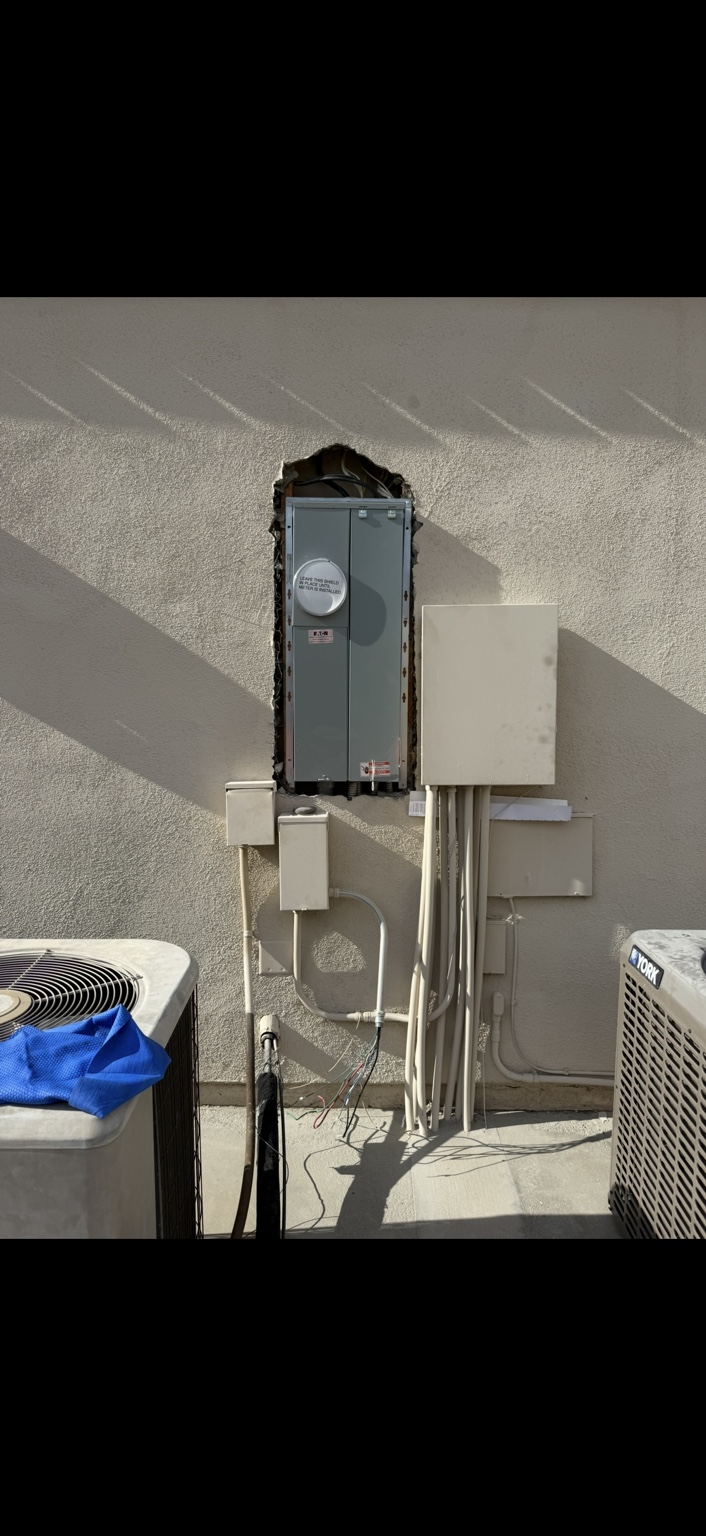
Start with the reason for the work
A California home may need panel work because equipment is damaged, additional circuits are needed, or a planned appliance changes its electrical demand. Those are different problems. Before choosing equipment, describe what you want to add: an EV charger, heat pump, induction range, workshop, or remodel. Include likely future projects so the assessment considers the whole property rather than one purchase in isolation.
Ask what the existing system can support
Have a qualified electrician evaluate the panel, service equipment, existing loads, and proposed equipment requirements. Available breaker spaces do not by themselves establish available electrical capacity. Ask for the reasoning behind the recommended scope and whether it addresses condition, capacity, or both. Report recurring trips, unusual sounds, heat, or visible damage as symptoms to investigate; they do not identify a single cause or automatically prove that a larger panel is the answer.
Separate the panel from the utility work
Replacing a distribution panel and increasing the utility service are not necessarily the same project. Confirm which equipment changes, whether its location changes, and who coordinates the utility. In the Coachella Valley, establish the utility serving the specific address before relying on its process. For SCE customers, the building and renovation portal and Electrical Service Requirements are starting points. Ask the contractor to identify the applicable permit, inspection, and reconnection steps before scheduling an outage.
Consider alternatives before increasing service size
SCE identifies load management, efficient equipment, and design adjustments as possible alternatives to service upsizing. Ask whether any fit your actual project and operating needs. A proposed alternative should explain what can run together, what may be limited, and how the arrangement will be verified. This is a design discussion, not a reason to improvise circuit sharing or replace protective devices yourself. Equipment condition still needs its own assessment.
Compare the complete proposal
Compare equipment, circuit work, utility coordination, permit responsibilities, wall repairs, labeling, and exclusions alongside the price. Request an expected sequence rather than an unconditional completion date, because inspection and utility arrangements can affect timing. Plan for household needs during an outage. At completion, retain the equipment information and inspection records supplied for your project. Leave panel covers and wiring to qualified personnel; for smoke, fire, or active arcing, move away and call 911.