
Commercial electrical
Energy-Saving Priorities for HOA Common Areas
Review common-area operating schedules, lighting, maintenance, and documented priorities before choosing energy improvements.
Published Guide updated
New guide published October 14, 2026, with original guidance on a topic from the previous SoCal website. It replaces the earlier article and does not reproduce its text or claim its publication date.
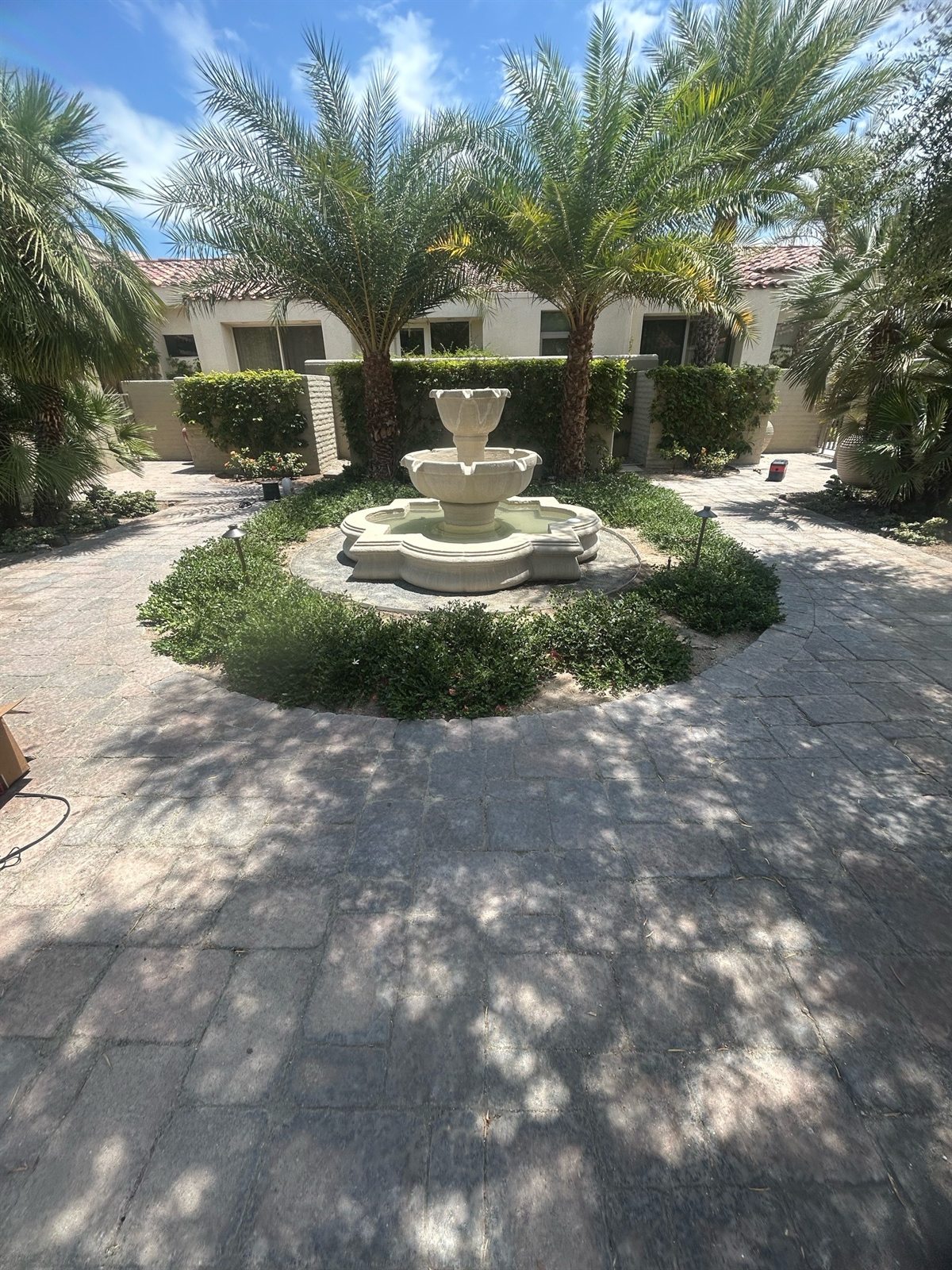
1. Establish what the association operates
List the common-area meters, lighting, clubhouse equipment, and operating schedules under the association's control. Separate these from individually metered homes before discussing savings. Keep a baseline of use and cost, and identify who approves changes. A clear inventory helps the board compare proposals and avoids promising savings on equipment or bills the association does not manage.
2. Upgrade lighting where the application fits
Review older common-area lamps and fixtures for an appropriate LED replacement. Compare useful light distribution, glare, color consistency, controls, and maintenance access rather than wattage alone. Walk the property after dark with the manager. Entrances, stairs, paths, and parking areas need usable visibility; an efficiency project should not simply remove illumination from places residents depend on.
3. Correct operating schedules and controls
Check whether exterior lights operate during daylight or clubhouse lights remain on after use. Ask a qualified contractor to review timers, daylight controls, and occupancy settings against actual use and applicable requirements. Preserve required safety and emergency operation. Document authorized overrides so staff can accommodate an event without leaving a temporary schedule in place indefinitely afterward.
4. Maintain equipment before assuming replacement
Coordinate routine maintenance of shared HVAC, lighting, and controls with the appropriate service providers. DOE identifies maintenance and operating problems as sources of wasted energy. Include access, cleaning, failed controls, and recurring complaints in the work list. For pools and other specialized systems, have the responsible professional evaluate efficiency without compromising water treatment, ventilation, or safety requirements.
5. Verify results and keep residents informed
Approve a defined scope, record installation dates, and compare subsequent use with the baseline. Account for changing weather, occupancy, and facility hours before attributing the entire bill difference to the project. Share measured results and unresolved issues with the board. Give residents an easy way to report dark areas or malfunctioning controls so energy improvements remain practical for daily use.