
Home planning
Electrical Upgrades and Seasonal Energy Priorities for Your Home
Prioritize lighting, controls, comfort, and future electrical needs using actual usage and a coordinated plan instead of a list of gadgets.
Published Guide updated
Original planning guide published October 15, 2026, based on the primary sources linked below. This is not a completed-project report or an inspection of your property.
Separate safety, convenience, and energy goals
An electrical improvement can solve a safety concern, make a room easier to use, prepare for future equipment, or reduce unnecessary energy use. Those goals overlap, but they are not identical. Replacing a panel does not automatically lower a bill, and adding connected controls does not guarantee savings. Begin with the problem you want to solve and the way the household actually uses the space, then compare options against that goal.
Use actual usage to set the order of work
Review electricity use over comparable seasons, not only the dollar amount on a single bill. Note changes in occupancy, cooling or heating operation, pool schedules, EV charging, and major appliances. A rate change and a consumption change are different explanations. The Department of Energy recommends an energy assessment to identify the most useful improvements; that broader assessment may involve building-envelope and HVAC work as well as electrical equipment.
Put obvious safety concerns ahead of optional convenience upgrades. Then make a short priority list: a frequently occupied room with poor lighting, controls that run longer than needed, insufficient receptacles for normal use, or an upcoming appliance installation. Explain the desired outcome to the relevant professional instead of starting with a product that may not fit the existing system.
Make lighting and controls work together
Start a lighting plan with activities: cooking, reading, dressing, walking, and outdoor arrival. Compare useful brightness and light distribution as well as energy use. Efficient lighting is most valuable where it provides the required visibility without needless operating hours. Confirm that lamps or fixtures, drivers, dimmers, and controls are compatible before purchasing a whole-house package.
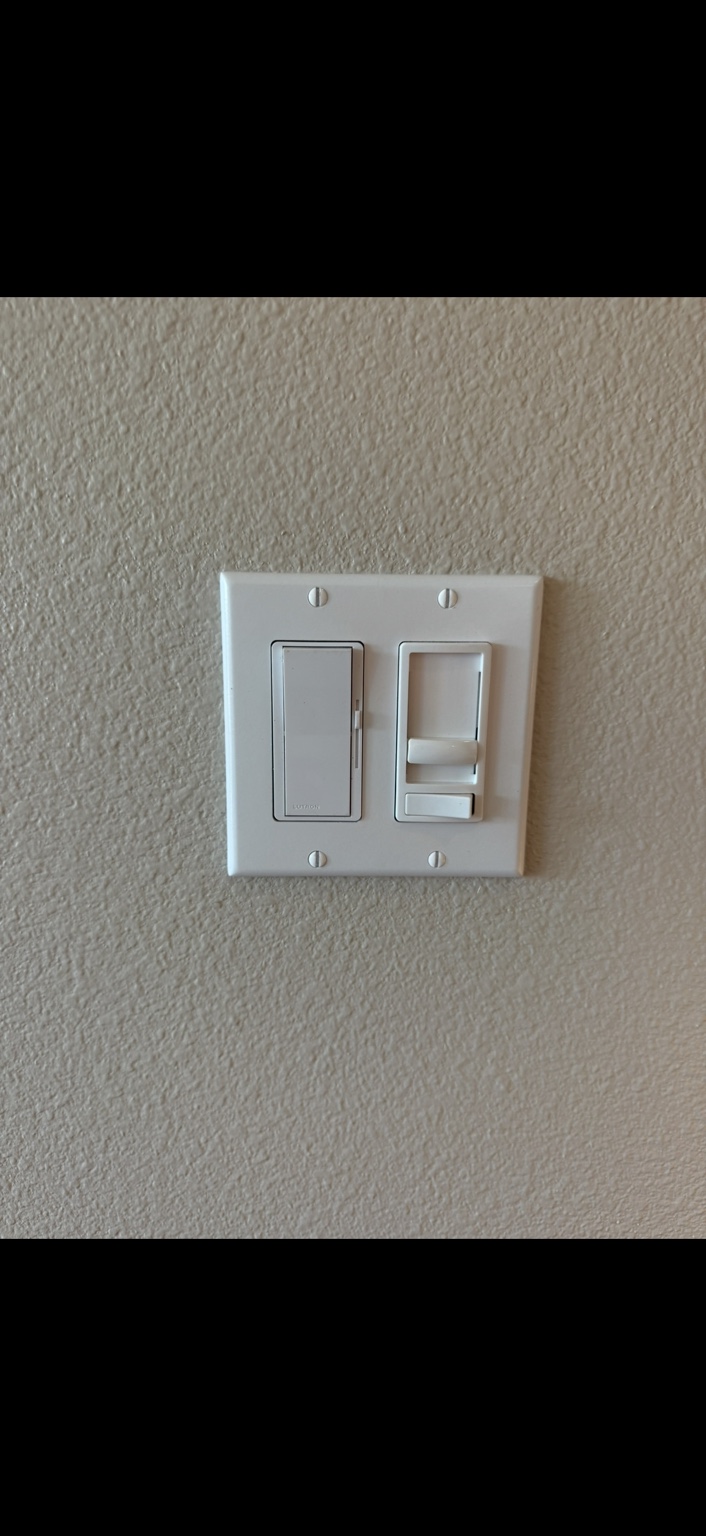
For smart switches or scheduled lighting, write down the intended behavior and the manual override. Ask who will configure the system and explain it to other household members. DOE's lighting-controls work emphasizes clear objectives, capability choices, and documentation. A simpler control that everyone understands can be a better fit than a complex automation that stays overridden. Keep access credentials private and preserve usable everyday wall control.
Adjust the plan for summer and cooler months
Before warm-weather demand increases, review operating schedules and arrange appropriate HVAC maintenance with the responsible service provider. Coordinate electrical work for new equipment before installation day. For fans, ask about placement and controls that match how the room is occupied. The goal is useful comfort, not running every device continuously because it is available.
In cooler weather, review heating schedules and filters according to equipment instructions. DOE's winter guidance identifies thermostat scheduling and maintaining airflow among practical energy priorities. A portable electric heater is not a solution to a deficient circuit: CPSC advises a direct wall-outlet connection rather than a power strip or extension cord. Keep heaters clear of combustible materials and follow the product's safe-use instructions. Do not disable required ventilation or safety equipment to save energy.
Coordinate future loads and verify the result
If an EV charger, electric cooking appliance, heat pump, or remodel is planned, share the equipment information before finalizing the electrical scope. Ask whether the existing service and circuit layout support the plan and which preparations make sense now. This avoids assuming every house needs the same upgrade or that all future equipment can simply share existing circuits.
Keep the completed scope, equipment settings, and operating instructions. Compare later consumption with similar weather and occupancy, and note any changes to the household routine. Actual results depend on equipment, hours of use, rates, and the building itself. A useful upgrade plan is one you can operate, maintain, and evaluate—not a promised percentage reduction detached from your home.