
Residential safety
Outlets, GFCIs, AFCIs, and Surge Protection: Different Jobs, Different Protection
Understand the differences between shock, arc-fault, and surge protection, and what to ask before an outlet or circuit upgrade.
Published Guide updated
Original planning guide published October 15, 2026, based on the primary sources linked below. This is not a completed-project report or an inspection of your property.
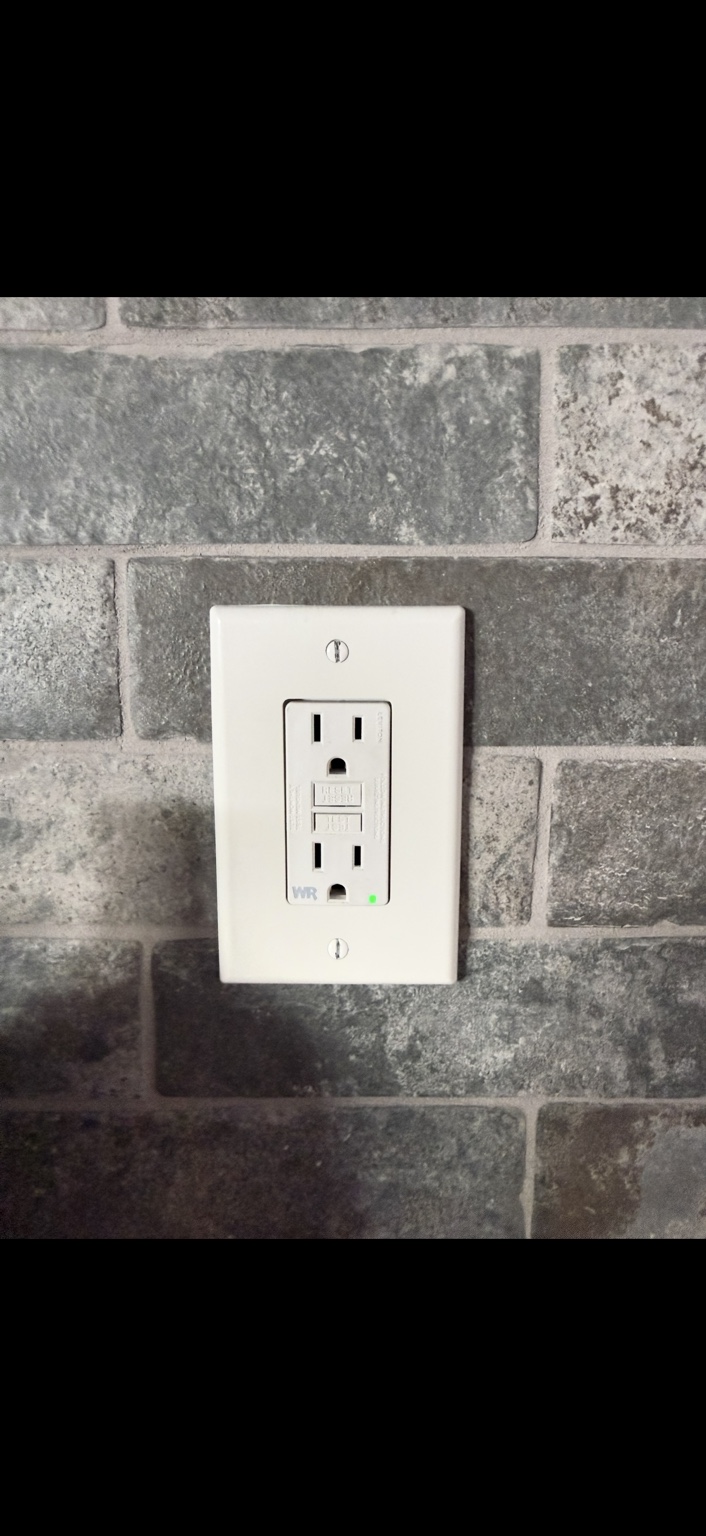
The outlet face does not tell the whole story
A receptacle is the connection point you see; the wiring, circuit protection, grounding arrangement, and connected loads determine how that point can be used. A standard receptacle, a GFCI device, an AFCI device, and a surge protector are not interchangeable upgrades. Choosing one by its appearance or number of plug openings can miss the actual need. Start with the location, the equipment being powered, and any existing symptoms, then have a qualified electrician identify the appropriate scope.
GFCI protection addresses electric-shock risk
A ground-fault circuit interrupter responds when current leaves its intended path. Its purpose is to reduce the risk of severe electric shock; it is not a substitute for maintaining sound wiring or keeping electrical equipment away from water. Protection can be provided by a receptacle device or a circuit breaker, so the absence of test buttons at one outlet does not by itself establish whether that location is protected.
Have the electrician identify the protection serving the intended location and confirm the requirements applicable to the work. Ask how to test the installed device according to its manufacturer's instructions and what to do if it fails that test or repeatedly trips. Do not bypass a protective device to keep an appliance running.
AFCI protection addresses hazardous arcing
An arc-fault circuit interrupter detects certain dangerous arcing conditions and interrupts power. ESFI distinguishes this fire-protection role from the shock-protection role of a GFCI. Some equipment combines both functions, but the label and application must be checked; a test button alone does not identify every protection provided. AFCI selection and installation belong with a licensed, qualified electrician who can evaluate the circuit and equipment compatibility.
Repeated trips are a reason to investigate, not evidence that protection should be removed. Give the electrician the appliance or activity involved, the affected area, and the timing of the problem. Do not recreate an unsafe event or repeatedly reset equipment to demonstrate the symptom.
Surge protection serves a different purpose
Surge protective devices address brief voltage disturbances that can damage electronic equipment. They do not increase a circuit's capacity and are not replacements for GFCI or AFCI protection. A multi-outlet power strip should not be assumed to include surge protection. Check the product's markings, instructions, ratings, and condition rather than relying on the shape of its case.
Ask about an appropriate combination of installed surge protection and equipment-level protection for the devices you want to protect. Identify how status indicators are read and when replacement is recommended by the manufacturer. No device is a promise against every electrical event, and a surge protector does not correct damaged wiring or make an overloaded connection acceptable.
Treat warning signs as a service issue
Unusual heat, damaged cords, discoloration, recurring trips, and unexplained buzzing deserve attention. Stop using affected equipment and arrange professional evaluation; do not open electrical enclosures or alter a breaker rating. If smoke, fire, active arcing, or immediate danger is present, move to safety and call 911. The CPSC's home-wiring guidance describes why faults and deteriorated connections require attention rather than cosmetic replacement alone.
For a planned outlet upgrade, provide the room, intended appliance, desired location, and any existing symptoms. At completion, request an explanation of the installed protection and its testing instructions. A clear record of what was checked and changed is more useful than assuming every outlet in the home was evaluated during one targeted repair.