
Outdoor lighting
Outdoor Living Lighting: A Plan for Patios, Paths, and Landscape
Create an outdoor lighting plan with clear routes, comfortable gathering areas, purposeful accents, and controls that fit the way you use the property.
Published Guide updated
Original cited-source planning guide published October 15, 2026. It brings related topics from the previous website into one updated guide; it does not reproduce those articles or describe a completed SoCal project.
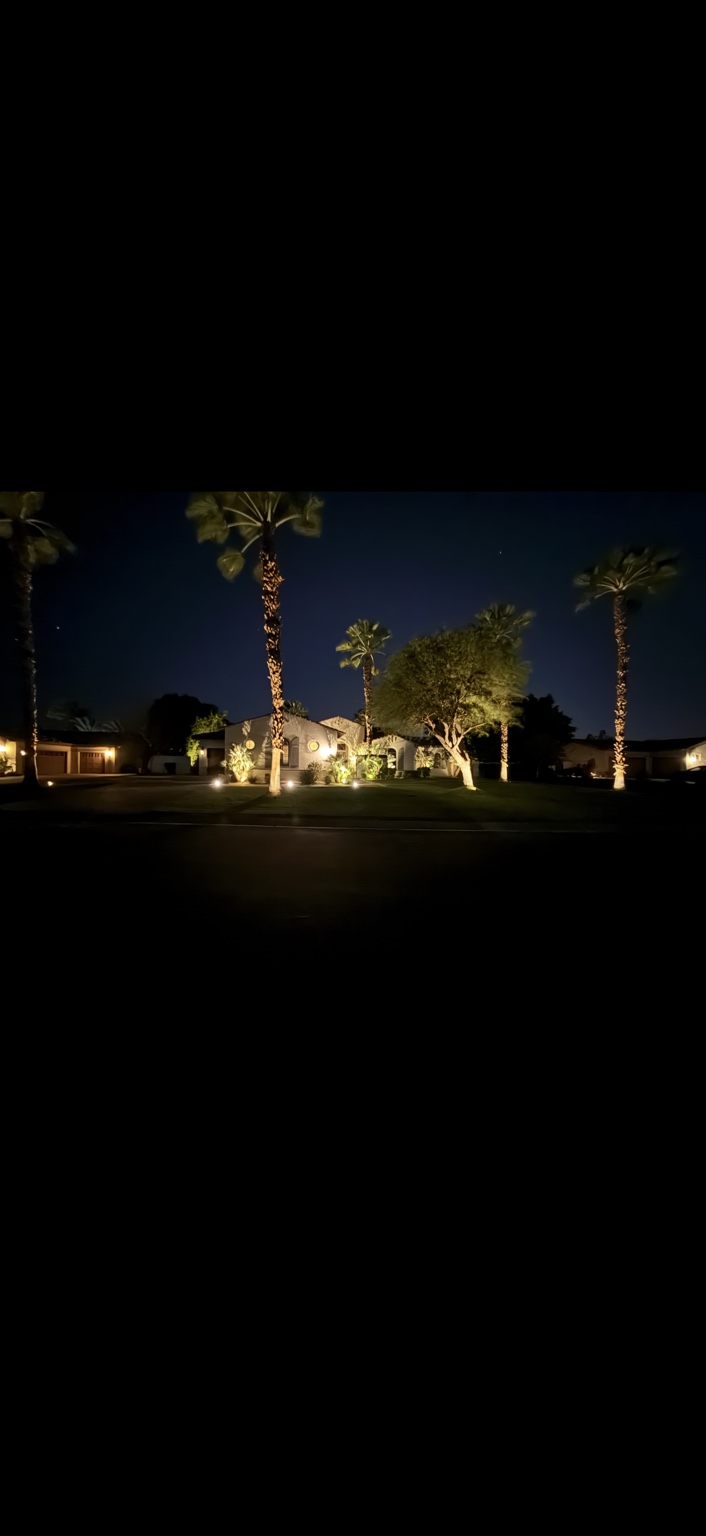
Plan the evening routine first
An outdoor living area needs more than decorative fixtures. Map the route from parking to the door, steps and changes in level, seating, dining, cooking, and the features you want to enjoy after dark. Separate regularly used routes from occasional gathering spaces. Note which lights should operate every evening and which should be available only when someone needs them. This brief gives the designer a useful starting point without assuming that more brightness means a better outdoor space.
Build layers for paths, patios, and landscape
Discuss low-level route lighting, comfortable light near seating, task lighting at preparation areas, and selective accents for planting or architecture. Ask how the layers work together from inside the house as well as outdoors. DOE's lighting-design guidance distinguishes utility and decorative purposes and recommends controlling unnecessary spill. A lighting layout should show what each fixture is intended to illuminate. Keep the scheme focused enough that a few highlighted features do not compete with every window, wall, and tree.
Check glare from the places people actually sit
Review proposed locations from chairs, the dining table, adjoining rooms, and the property boundary. An attractive fixture can still be uncomfortable when its light source is directly visible. Ask about shielding, aiming, and mounting options instead of compensating for a dark area with a more powerful floodlight. Include neighbors' windows in the discussion. A nighttime mock-up or staged installation can help establish the desired effect before the full fixture quantity is committed.
Specify the environment and electrical route
Give the installer information about irrigation, planting changes, pool or spa areas, paving, pets, and landscape-maintenance access. Equipment and wiring methods need to suit their actual exposure and location. Have the electrician evaluate existing circuits and, where a low-voltage system is proposed, the transformer, cable routes, and connected load. Ask who is responsible for excavation and restoring finished surfaces. These are planning questions for qualified installation—not instructions to modify buried wiring or energize damaged outdoor equipment.
Choose controls around use rather than a trend
Discuss dusk response, an agreed shutoff time, motion response where useful, and a clear manual override for entertaining. DOE's exterior-control guidance emphasizes matching controls with the selected equipment. Its general design resources also distinguish daylight sensing from presence sensing: they answer different questions. Explain whether lights should stay on through dinner, dim later, or operate briefly for an arrival. Ask the installer to document the intended behavior so a reset or seasonal adjustment does not depend on guesswork.
Review after dark and plan for upkeep
Make an after-dark walk-through part of the closeout plan. Check steps, route continuity, faces at seating areas, reflections, and spill beyond the intended area. Adjust aiming and control settings against the agreed brief. Keep fixture and replacement-part information with the final layout. Leave access for cleaning, vegetation growth, and future service; a planting bed will not look the same forever. A useful proposal defines the installed scope, commissioning visit, maintenance expectations, and any later phase rather than promising a trend-driven transformation.