
Residential lighting
Room-by-Room Home Lighting: Bedrooms, Bathrooms, and Home Offices
Plan useful lighting layers, comfortable controls, and color choices around the activities in each room—not a passing design trend.
Published Guide updated
Original cited-source planning guide published October 15, 2026. It brings related topics from the previous website into one updated guide; it does not reproduce those articles or describe a completed SoCal project.
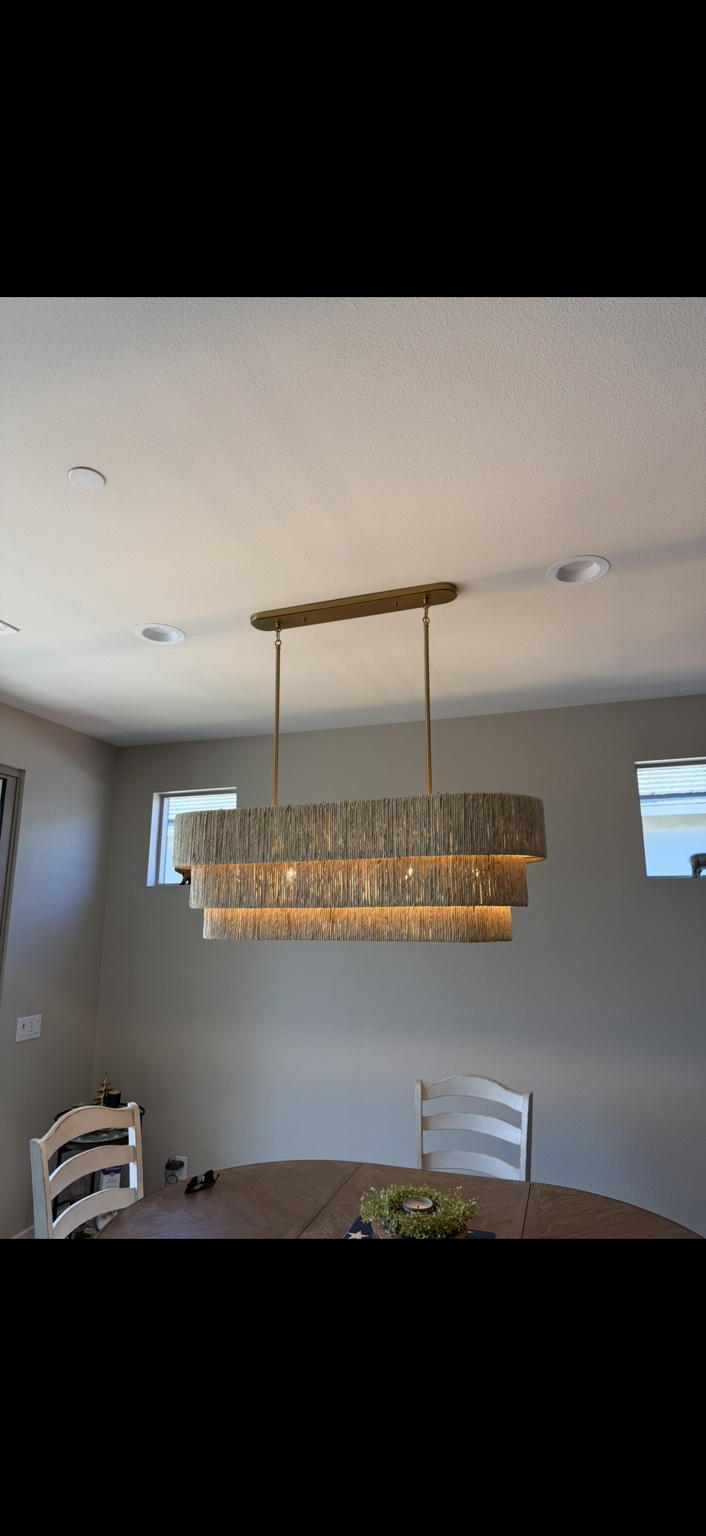
Start with activities, not a fixture shopping list
A useful lighting plan begins with what happens in the room: reading, grooming, computer work, conversation, or moving through at night. The Department of Energy distinguishes general illumination, task lighting, and accent lighting. Those layers can be planned separately instead of making one ceiling fixture carry every job. Sketch furniture positions and note where current light is missing, distracting, or difficult to control. Include both daytime and evening observations before deciding what to buy.
Bedroom: separate reading from general light
For a bedroom, list the bed location, reading positions, closet, dresser, and route to the doorway. Ask whether one person should be able to read without lighting the entire room. A focused reading light and separately controlled general lighting provide a clearer design brief than simply requesting brighter bulbs. Consider access to controls from the doorway and bedside. Preview fixture placement from the pillow as well as standing height so an exposed light source is not directly in view.
Bathroom: review the mirror and the environment
Treat mirror tasks separately from general room illumination. During a sample review, look for shadows on the face and reflections from polished finishes rather than judging only the fixture's appearance on a wall. Give the electrician the shower, tub, vanity, and ventilation layout. Equipment suitability, mounting location, wiring condition, and applicable installation requirements need professional review. Decorative appearance alone does not establish that a fixture is appropriate for a damp or wet location.
Home office: test the desk, screen, and cords together
Place the desk and monitor on the plan before choosing light locations. Check the screen with daylight present and after dark; a light that helps paperwork may reflect in the display. A separately adjustable task light can serve detailed work without making every part of the room equally bright. Include computers, chargers, and other equipment in the electrical discussion. The U.S. Fire Administration advises against overloaded outlets or power strips and cords routed where furniture or rugs can damage them.
Color tuning and comfort: know what is being specified
DOE distinguishes dim-to-warm products, which change color appearance as brightness falls, from tunable-white products that allow a choice of white-light appearance. Neither is interchangeable with an ordinary dimmer. Ask to see the proposed combination at low and high settings, against the room's finishes, and confirm how it is controlled. CIE's integrative-lighting guidance considers timing, exposure, glare, and other design factors—not color temperature alone. This guide makes no promise that a lighting product treats a condition or guarantees better sleep.
Finish with a usable room schedule
For each room, record the selected fixture, intended task, control location, desired dimming behavior, and any owner-supplied equipment. Keep frequently used functions understandable without an app. Ask the installer to demonstrate the final controls and address flicker, unexpected switching, or uncomfortable glare before closeout. A documented, adaptable plan is more useful than following a year-specific trend that may not suit the home.