
Home planning
Planning an Electric Fireplace: Equipment, Power, and Safe Placement
Start with the exact fireplace manual, then coordinate electrical supply, room layout, service access, and everyday operation before construction.
Published Guide updated
Original planning guide published October 15, 2026, based on the primary sources linked below. This is not a completed-project report or an inspection of your property.
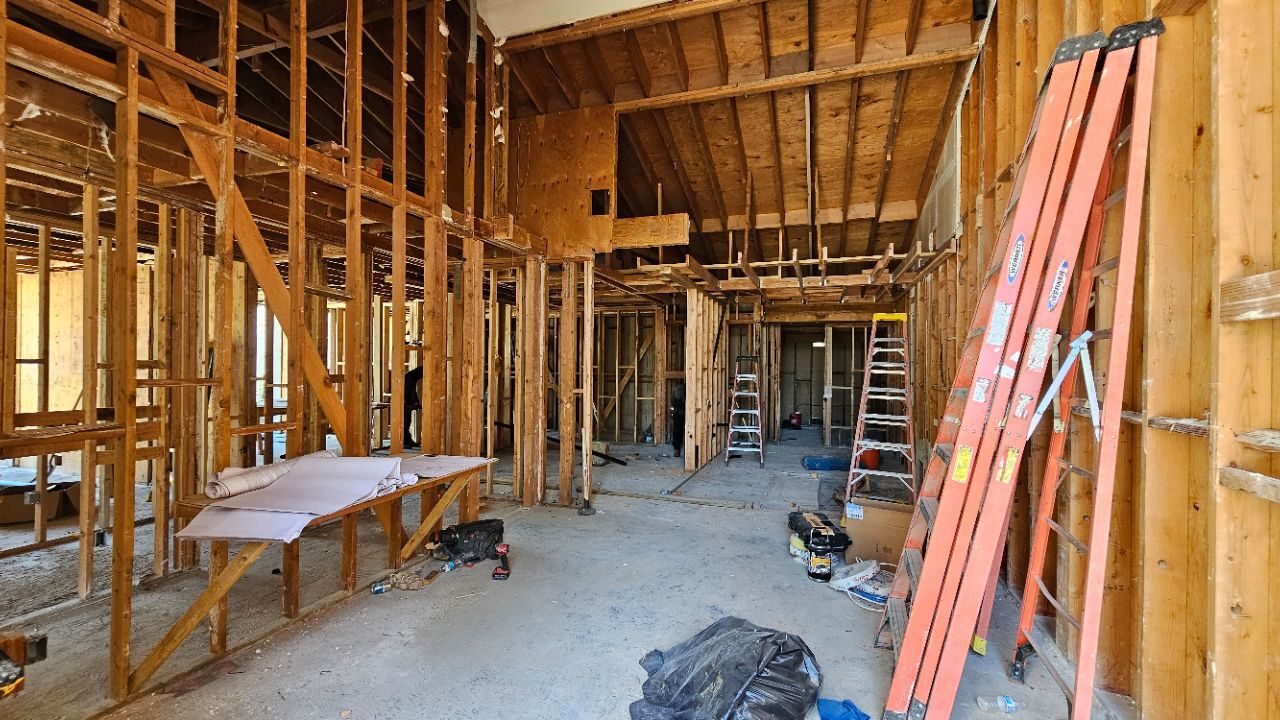
Start with the exact fireplace, not only the opening
An electric fireplace can provide a visual focal point, supplemental heat, or both. Before framing a recess or ordering finish materials, choose the exact model and obtain its current installation and operating instructions. Share those documents with the electrician and the contractor responsible for the surround. A wall-mounted unit, freestanding appliance, and built-in insert may have different mounting, supply, ventilation, and service-access requirements even when they have similar dimensions.
Have the power requirements checked before construction
Ask the electrician to review the selected unit's electrical rating, permitted connection method, proposed location, and the existing circuit. A nearby receptacle is not proof that the supply is appropriate for a heater. The assessment should identify whether existing wiring can be used or whether a new circuit or other electrical work is necessary. Do not choose a breaker size or modify the appliance connection from a general online guide.
For example, the cited Dimplex DF-series manual specifies its own plug-in supply and circuit requirements. Those instructions illustrate why the actual model matters; they are not specifications for every fireplace. Have the installer record the approved equipment and electrical scope before walls or cabinetry conceal the route. Include any needed permits and inspection responsibilities in the proposal.
Coordinate the surround and normal room use
Show the project team the intended furniture, curtains, television, shelving, and walking routes—not just a front-elevation drawing. Ask them to confirm the fireplace manufacturer's clearances and ventilation provisions and the television manufacturer's restrictions if a screen will be above it. Dimplex specifically advises checking television restrictions and keeping the unit's air openings unobstructed. A clean-looking installation still needs access for its intended maintenance and servicing.
For an existing fireplace opening, ask who will evaluate its condition and coordinate any required work involving the old installation. Do not assume that installing an electric appliance automatically resolves unrelated issues with an existing chimney, fuel connection, or damp enclosure. Keep those responsibilities explicit rather than hiding them inside an electrical allowance.
Use the appliance only as its manufacturer allows
For a plug-in model, confirm that the receptacle is placed where the supplied cord can be used as instructed. Do not solve an inconvenient location with an extension cord or power strip. The cited Dimplex manual prohibits those connections, and CPSC also warns against them for portable electric heaters. Keep cords out from under rugs and away from damage. Never operate a unit with a damaged cord or plug.
Ask for a demonstration of the controls, shutdown procedure, and any flame-only setting supported by your model. Keep children and pets away from hot surfaces and follow the unit's supervision and clearance instructions. A recurring trip, unusual odor, or abnormal operation needs evaluation, not repeated restarting. For smoke, fire, or immediate danger, leave the area and call 911.
Leave with a complete operating record
At handover, keep the model and serial information, manual, purchase documentation, and electrical work record together. Ask what was function-tested, how to access permitted user maintenance, and whom to contact for appliance service versus electrical-supply concerns. Check the exact product against current recall information when acquiring or reusing equipment. This planning checklist helps define the project; final installation details must follow the selected product and the requirements applicable at the property.