
EV charging
Using and Planning EV Charging at Home or Work
Match charging to daily use, understand operating costs, and plan a reliable handover for a home or workplace installation.
Published Guide updated
Original planning guide published October 15, 2026, using the primary sources below. It consolidates related topics from the previous website without reproducing those articles or presenting this guidance as a completed project.
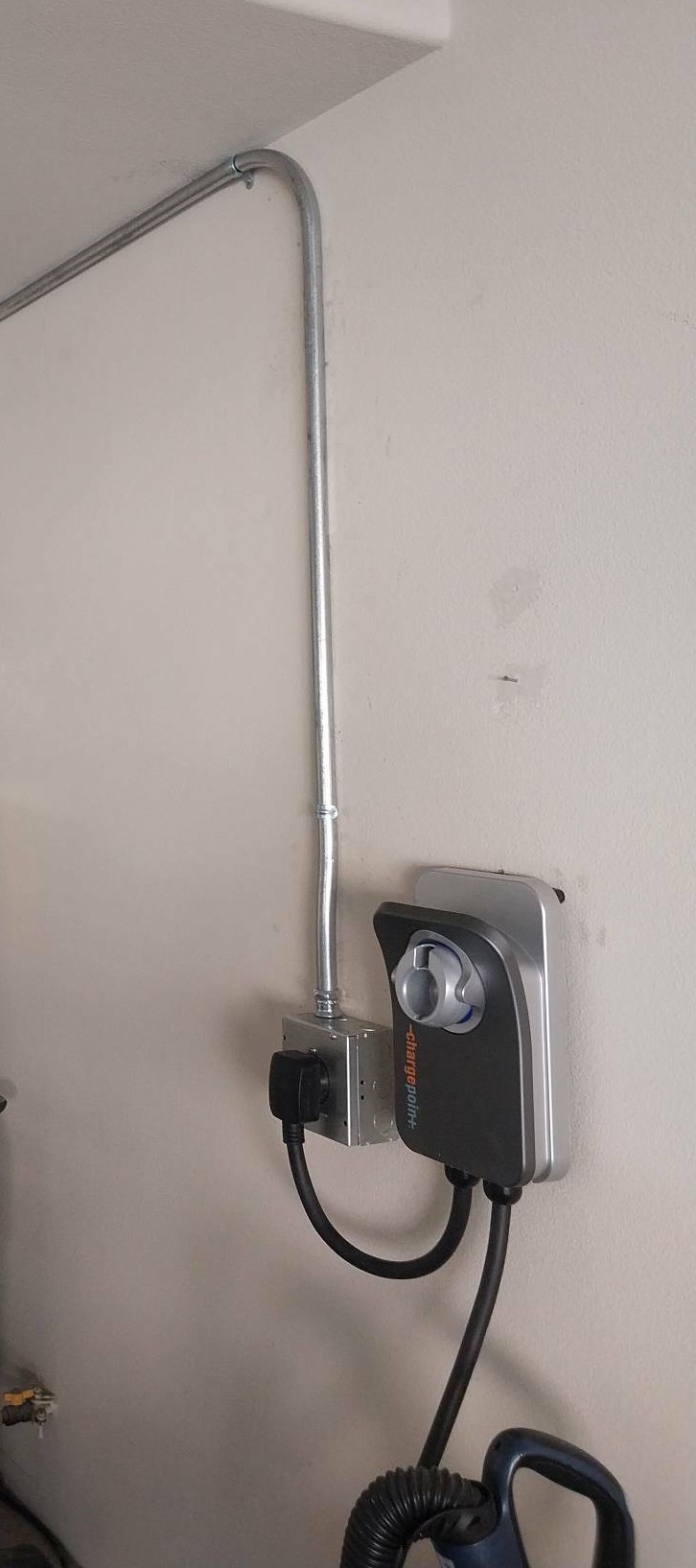
Choose charging around the actual driving routine
Start with the vehicle, daily mileage, parking location and hours available to charge. The Department of Energy distinguishes slower Level 1 charging from faster Level 2 equipment; the useful choice depends on how much energy must be replaced before the next trip. A larger advertised output is not automatically a better installation. Have a qualified electrician evaluate the existing electrical capacity, proposed equipment and circuit route before purchasing an installation package.
For a shared property, write down who owns the parking space and who can approve the work. A homeowner's overnight routine, an employee's workday and a customer's short stop create different charging needs. Resolve access and operating responsibilities before selecting the equipment.
Understand the equipment before the first charge
Use the vehicle and charging-equipment instructions for the exact connection sequence, approved accessories, charging limits and status indicators. Ask the installer to demonstrate normal operation and the response to a fault indication. Keep the cable out of walking and driving paths, and store it as the manufacturer directs. Do not improvise adapters, extension leads or changes to the installed circuit.
Stop using equipment with damage, abnormal heat, burning odor or repeated faults. Record the indicator or error shown and contact the installer or equipment support; repeatedly resetting protective equipment is not a substitute for diagnosis. A charging schedule set in both the car and the charger can be confusing, so agree which device will control the schedule during handover.
Separate purchase price from operating cost
Compare equipment, installation, permits, any required service work, network subscriptions and maintenance separately. Estimate electricity use from your actual driving and vehicle efficiency, then apply the relevant utility rate. Time-of-use prices and commercial demand charges can affect the comparison. Do not treat a national example or a proposed incentive as your approved local price.
For a business, estimate realistic usage rather than assuming every parking space is occupied by a charging vehicle. Include staff time, customer support, repair access and payment-system fees where applicable. Charging may improve convenience or support employee needs, but a universal payback period cannot be promised.
Make shared charging manageable
DOE's workplace guidance emphasizes clear administration and user rules. Assign an owner for outages and maintenance, explain any fees, and define how drivers share a limited number of connectors. Check the equipment's accessibility and site requirements with the project team. Ask whether charging can continue during an internet interruption and how a driver reports a problem.
Leave with a usable installation record
Request the equipment model, operating instructions, approved charging settings, permit or inspection records where required, and the service contact. Verify that the agreed installation works with the intended vehicle before closeout. Keep future expansion on the planning list rather than increasing charging settings without a capacity review.