
Commercial electrical
8 Types of Outdoor Lighting for Commercial Buildings
Compare parking, roadway, wall, canopy, garage, bollard, decorative pole, and floodlighting for a commercial property.
Published Guide updated
New guide published October 14, 2026, with original guidance on a topic from the previous SoCal website. It replaces the earlier article and does not reproduce its text or claim its publication date.
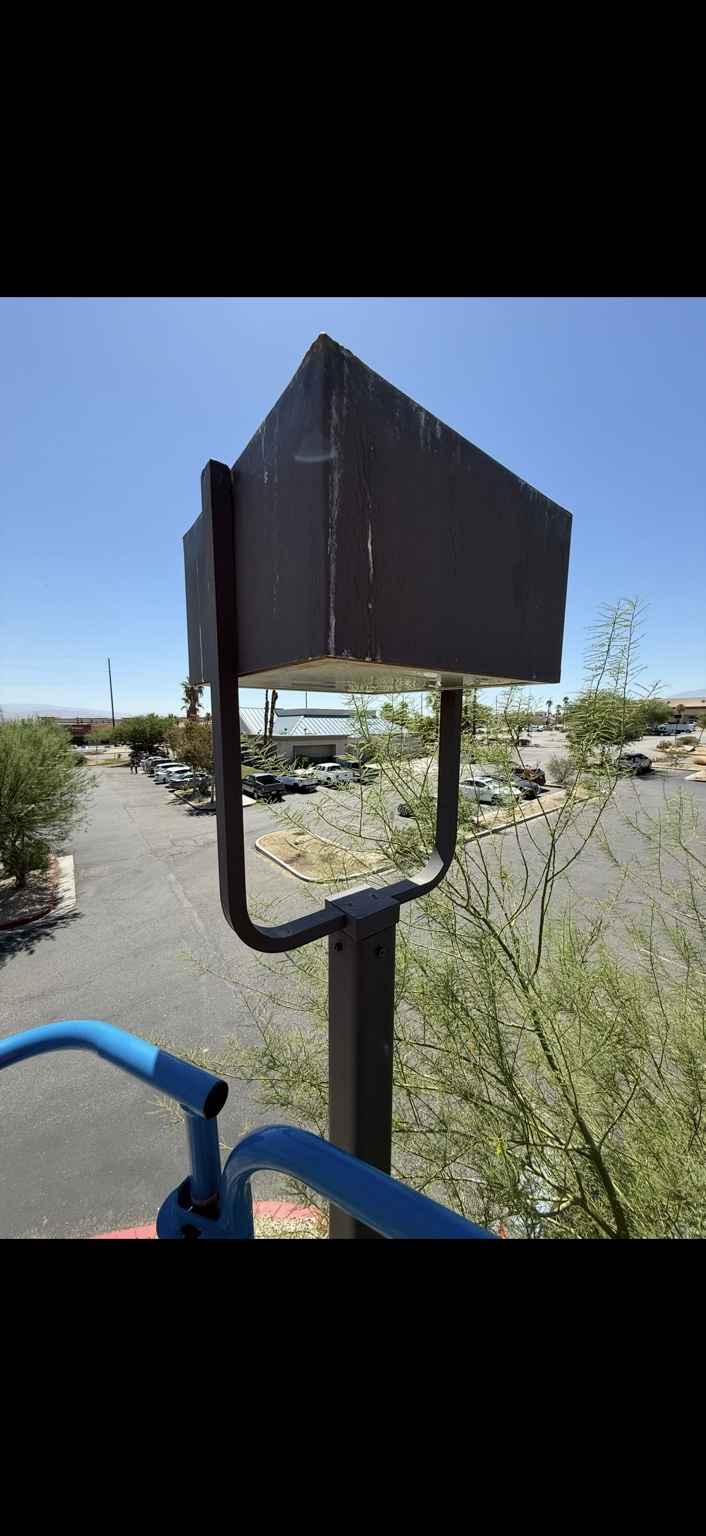
Start with the activities after dark
Walk through the property's evening routine before selecting fixtures. List employee exits, customer approaches, delivery areas, vehicle routes, and places that remain occupied after closing. Note where people struggle to see and where existing lights shine into windows or drivers' eyes. A useful lighting plan starts with these observations, a site layout, and clear operating hours for each area.
1–2. Parking area and roadway lighting
Pole-mounted area fixtures are an option for parking lots and other open spaces. Roadway fixtures serve vehicle routes through a property. Treat these as separate design tasks even when the equipment looks similar. Ask the designer to show the intended coverage, mounting locations, and relationship to adjacent areas. Include existing pole condition and access for maintenance in the proposed scope.
3–5. Wall, canopy, and parking garage fixtures
Wall-mounted lighting can serve building perimeters and entrances. Canopy fixtures are designed for covered areas, while parking garage fixtures address enclosed or partly enclosed vehicle spaces. For a proposal, identify the actual mounting surface and environment at every location. Ask how the selected equipment handles the space's height, obstructions, and pedestrian activity, and how technicians will reach it for future service.
6–8. Bollards, decorative poles, and floodlights
Bollards, decorative pole fixtures, and floodlights add other options to the layout. Consider bollards when discussing pedestrian routes, decorative poles where appearance matters, and floodlights for a defined area or feature. Review aiming and shielding with the installer. Ask for a layout that explains how each fixture contributes to the intended result and avoids unnecessary spill beyond the property.
Compare the complete installation
The Department of Energy's exterior-lighting guidance identifies these general fixture families and explains how efficient equipment and automatic controls can reduce energy use. Its federal purchasing requirements have a specific scope; they are not a substitute for the requirements applicable to your property.
For your project, request a fixture schedule, control description, maintenance plan, and explanation of any required permits. Discuss scheduling, dimming, and occupancy response with the design team. Before accepting the work, arrange an after-dark review with the people who use the property and record any adjustments needed.
Sources and further reading
U.S. Department of Energy: Purchasing Energy-Efficient Exterior Lighting