
Residential lighting
Planning Nursery Electrical and Lighting
Plan comfortable light, accessible controls, furniture placement, and cord management for a nursery.
Published Guide updated
New guide published October 14, 2026, with original guidance on a topic from the previous SoCal website. It replaces the earlier article and does not reproduce its text or claim its publication date.
Start with the room layout
Mark the crib, changing area, seating, storage, doors, and outlets on a simple room plan before choosing fixtures. Identify what an adult needs to see in each area and where a light would be operated. This keeps the discussion focused on visibility and convenient use rather than a fixture's appearance alone. Revisit the layout as furniture changes and the child becomes more mobile.
Keep electrical cords away from the sleep space
CPSC warns that accessible baby-monitor cords can strangle children and specifies keeping cords at least three feet from any part of the crib or other sleep space, as well as out of children's reach. Consider lamp, charger, and other device cords when reviewing the room, too. Moving a crib beside an outlet or moving a device onto nearby furniture can change access to a cord. Do not attach electrical cords or decorative light strings to the crib.
Use separate lighting for separate tasks
Consider general room lighting, a focused light for adult tasks, and an independently controlled lower-light option for moving through the room. Discuss the location and direction of each with the installer so a useful light does not create an uncomfortable direct view of the source. These are practical design choices; a particular lamp color or brightness should not be presented as a guarantee about infant sleep or health.
Check controls and equipment together
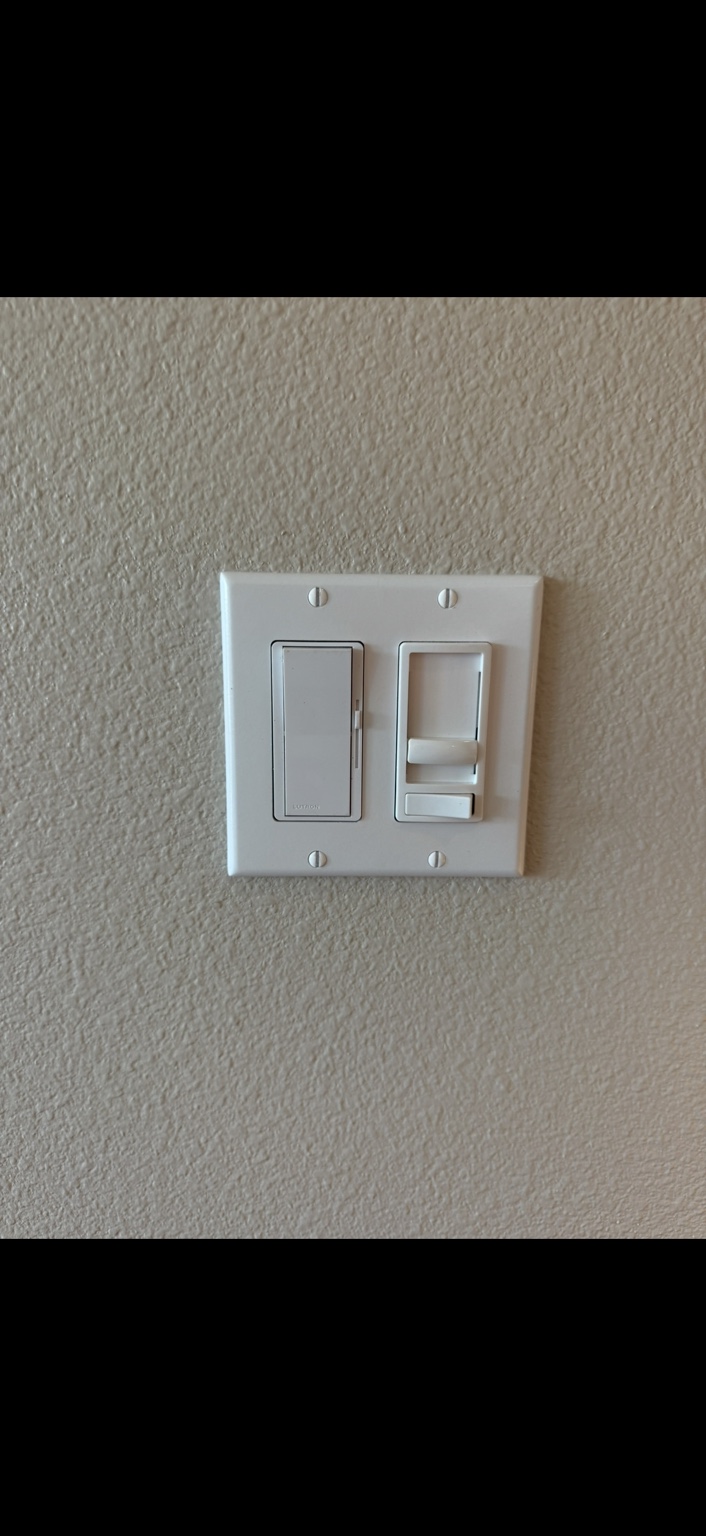
If dimming matters, select the lamp or fixture and control as a compatible combination using manufacturer documentation. A product labeled LED does not establish compatibility with every existing dimmer. Ask how the selected equipment behaves at its lowest setting and how normal wall control will work if a connected feature is unavailable. Keep essential everyday operation understandable for every caregiver.
Make a focused electrical work list
List inconvenient outlet locations, damaged devices, unreliable switches, and proposed fixture changes for a qualified electrician to inspect. Include any equipment that will share the room's circuits. Have wiring and permanent fixture work assessed and installed professionally rather than improvising around a furniture layout. Keep product instructions and check recall information for nursery equipment. Electrical planning complements the broader safe-sleep guidance from CPSC; it does not replace it.