
Commercial electrical
How Often Should You Have an Energy Audit?
Use building performance, operating changes, and renovation plans to decide when an energy assessment would support a useful decision.
Published Guide updated
New guide published October 14, 2026, with original guidance on a topic from the previous SoCal website. It replaces the earlier article and does not reproduce its text or claim its publication date.
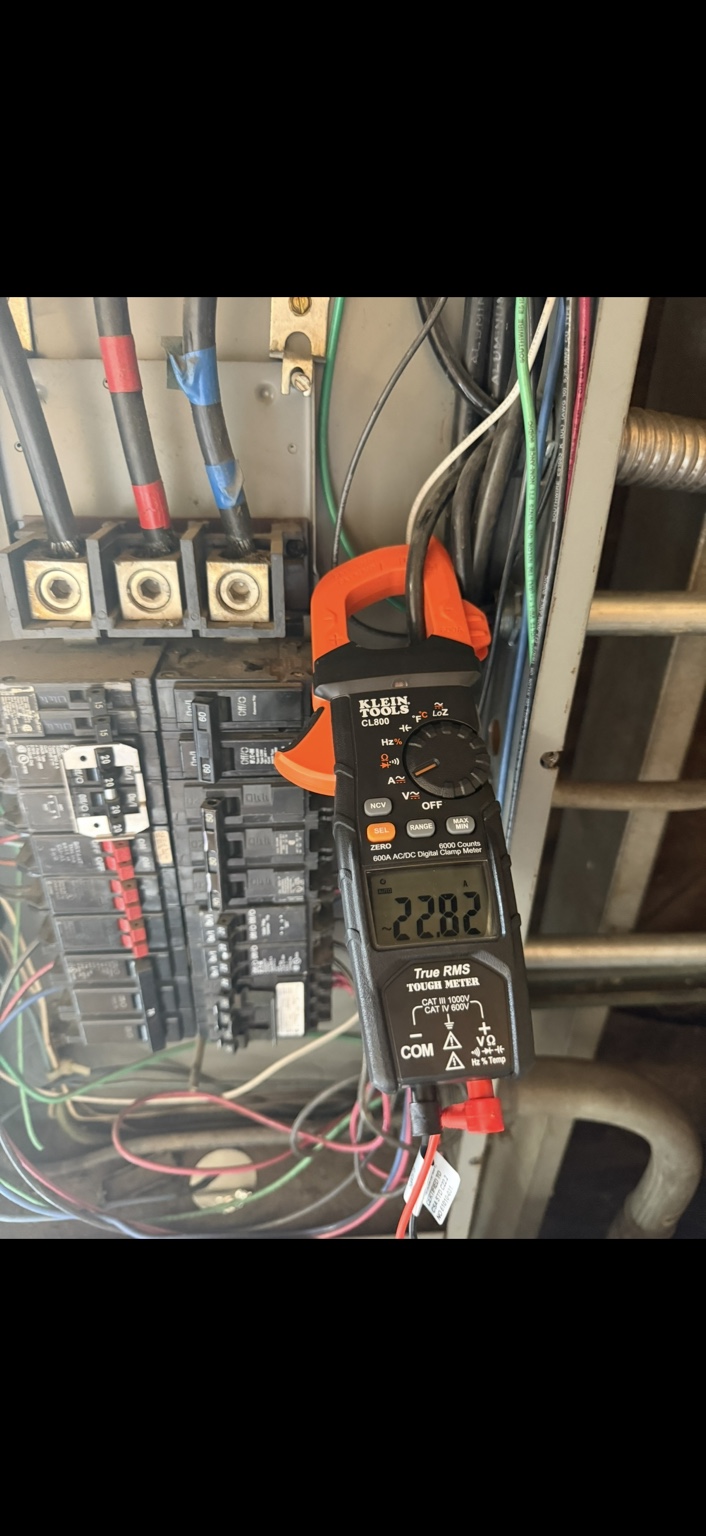
Set the timing around the building
There is no single useful audit interval for every commercial property. A small, stable office and a changing restaurant have different needs. Set a review date with the assessor based on equipment condition, operating changes, previous findings, and the decisions you need to make. Separately confirm any applicable reporting or compliance deadlines; a voluntary energy assessment does not establish that those obligations are satisfied.
Watch performance between assessments
Keep utility use, costs, operating hours, and major equipment changes together. Compare similar periods and investigate unusual changes rather than judging performance from the bill total alone. ENERGY STAR benchmarking helps place performance in context; DOE emphasizes consistent metrics and data quality. This regular review can identify a reason for a focused investigation before the next planned assessment.
Bring the review forward when use changes
Consider an earlier assessment before a major remodel, equipment purchase, occupancy change, or extension of operating hours. Persistent comfort complaints, unexpected overnight operation, or consumption that remains unexplained after a billing review are also practical triggers. Describe the question clearly: whether lighting runs too long, equipment needs replacement, or a proposed improvement deserves a larger study.
Match the depth to the decision
A walk-through can identify obvious operating issues, while a capital project may need measurements, equipment inventories, and a more detailed engineering assessment. Agree on the scope, access, data needs, and deliverable first. Ask that recommendations distinguish maintenance, control adjustments, and replacement projects, with assumptions and uncertainties shown alongside estimated savings rather than presented as guaranteed results.
Close the loop after improvements
Record what changed and when, then compare performance over a representative period while accounting for weather and occupancy differences. Keep unresolved findings assigned to an owner with a review date. Schedule the next assessment around remaining risks and future plans. An energy review also has a different purpose from diagnosing damaged electrical equipment; address an active safety concern promptly.