
Residential safety
6 Common Electrical Emergencies: Recognize the Danger
Recognize urgent electrical warning signs, keep people away from hazards, and understand when to call emergency services.
Published Guide updated
New guide published October 14, 2026, with original guidance on a topic from the previous SoCal website. It replaces the earlier article and does not reproduce its text or claim its publication date.
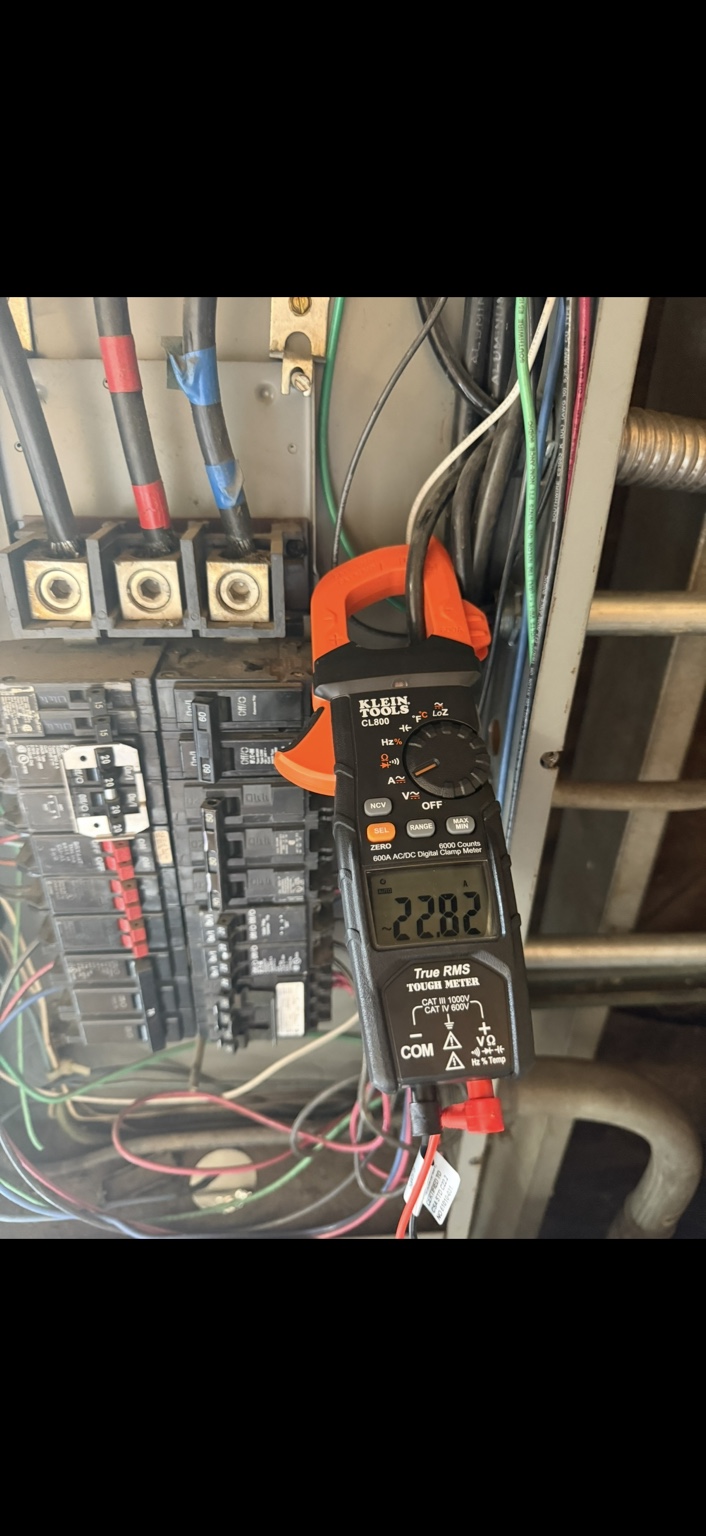
1. Fire, smoke, or active sparking
Leave the area and call 911 if electrical equipment is burning, smoking, or actively sparking. Do not approach the equipment to investigate, and never put water on an electrical fire. Southern California Edison directs people to call 911 for an electrical equipment fire or visible smoke near power lines. An online service request is not the right first step when immediate danger is present.
2. A downed line or damaged utility equipment
Treat a fallen power line as an emergency even when it appears quiet. Stay at least 100 feet away and call 911 immediately, following Southern California Edison's guidance. Keep others away without entering the danger area. Do not touch the line or anything in contact with it, and do not try to move it. Utility equipment requires the utility's response; a private service appointment cannot replace that response.
3. An electrical shock
If someone receives an electrical shock, call 911 from a safe location and follow the dispatcher's instructions. Do not touch anyone still in contact with electrical equipment, and keep other people clear. Seek medical help even if an injury is not visible. The equipment also needs professional evaluation before further use. Do not reproduce the incident to demonstrate it or test whether the problem has gone away.
4–5. Hot devices or repeated breaker trips
A hot outlet or switch and a breaker that repeatedly trips are different warning signs that deserve prompt attention. Stop using the affected equipment and arrange evaluation by a qualified electrician. Do not keep resetting the breaker, replace it with a higher rating, or open covers to investigate. The Consumer Product Safety Commission identifies hot devices and recurring breaker or fuse problems as wiring hazards that require attention.
6. An unexplained loss of power
From a safe location, check the utility's outage information and report an outage when appropriate. A neighborhood outage does not make damaged equipment safe, and power loss accompanied by smoke, sparks, a fallen line, or immediate danger still requires an emergency response. Keep away from damaged or wet electrical equipment.
When immediate hazards have been addressed, tell the electrician what stopped working, when it happened, and any sounds or odors you noticed before leaving. Share existing observations without approaching the equipment for photos or attempting a repair. This helps the office plan the next appropriate visit.